
Fashion
ACTIVIST BEAUTY COMPANY THE BODY SHOP LAUNCHES GLOBAL SELF-LOVE UPRISING WITH ACTIVIST JAMEELA JAMIL


SELF LOVE CRISIS: 1 IN 2 WOMEN WORLDWIDE FEEL MORE SELF-DOUBT THAN SELF-LOVE
South Korea, Saudi Arabia and France rank lowest on The Body Shop Global Self Love Index
A global report launched today by The Body Shop has identified a self-love* crisis for women around the world, with 1 in 2 women feeling more self-doubt than self-love, and 60 per cent wishing they had more respect for themselves. The Body Shop Global Self Love Indexis a first-of-its-kind study, commissioned to inform a long-term commitment from The Body Shop to always use its voice to build self-esteem. As a result, The Body Shop is launching a global movement called the “Self Love Uprising”, supported by British activist and actressJameela Jamilinternationally. Additionally, The Body Shop India has joined hands with 3 inspiring Indian changemakersaka the Leading Lights– Dr. TrinetraHaldarGummaraju, Alex Mathew & Ankita Chaturvedi, who truly mirror the essence and value of the brand’s ‘SELF-LOVE UPRISING’ initiative.
– Dr. TrinetraHaldarGummaraju (@ind0ctrination): ADoctor, Content Creator, Artist and Trans Woman. Trinetra is one of Karnataka’s first trans woman doctorsand a fiercely authentic advocate for the India trans community.

– Alex Mathew (@MayaTheDragQueen): An actor, singer, LGBTQIA Influencer, TEDx speaker & professional emcee. Alex goes by his drag persona Maya and is one of India’s foremost drag artistes challenging gender norms in her own unique way.
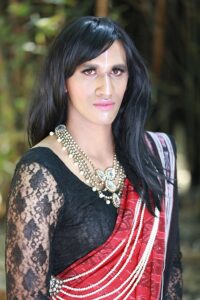
– Ankita Chaturvedi (@corallistablog): Engineer-turned Entrepreneur, Content Creator, Beauty Influencer and Trained Makeup Artist. One of India’s top beauty influencers, Ankita is a strong voice for body positivity and self acceptance to millions of her followers around the world.

While India ranked 10th marking its position almost in the middle, South Korea, Saudi Arabia and France rank lowest for self-love, whereas Denmark, Australia, and the United States rank the highest. The study, designed by The Body Shop and leading market research firmIpsos, ran between November and December 2020 with over 22,000 people in 21 different countries. The Self Love Index comprises a number of academic measures of self-worth, wellbeing, and happiness, and reveals how age, gender, country, and living standards impact how people feel about themselves.
Further key findings of The Self Love Index include:
| Top three of the most influential factors for high levels of confidence | Top three of the most influential factors for low levels of confidence |
| My relationships with my family (36%)My ability to take on new challenges (26%)My mental wellbeing (25%) | My financial status (26%)What others think of me (23%)The state of the world (e.g. politics, the economy) (22%) |
§ People in India have a Self-Love Index score of 52, 1 point below the global average score (53)
§ Self-Love increases somewhat with age in India. Those under 35 are more likely to be in the lowest 25% of the Self-Love scores (37% compared to 20% of those 55 and over).
§ People who are single have lower Self-Love, with an average score of 49.
§ Those living in the North have a lower Self-Love Index score (50) than those living elsewhere in the country.
§ People from minority groups are more likely to have a low self-love score, with an index of 46 compared to 54 among those not in minority groups. 54% of those with disabilities are in the lowest 25% of self-love scores.
§ Economic status impacts Self-Love with 40% of those who are not financially comfortable in the lowest 25% of self-love scores, both with a Self-Love Index score of 46.
§ Those who have been educated to a higher level had a more self-love, with those educated to degree level scoring 53, compared to 47 among those who did not go to university.
§ The connection we see globally between social media usage and self-love scores in which the greater the use of social media, the lower the self-love score is likely to be, is not in evidence in India. There is no significant difference in self-love scores between those who use social media for more than two hours a day and those who use it less
§ 65% of people in India say they always or usually get the social and emotional support they need. Women (68%) and people who are married are more likely to feel supported (69%)
| My attitude towards myself is very stable | Global | India |
| Strongly disagree | 3% | 1% |
| Disagree | 19% | 7% |
| Agree | 60% | 57% |
| Strongly agree | 18% | 34% |
Perhaps one of the most surprising findings of the research is that overall, Covid-19 has had a slightly more positive impact on women’s self-love than negative. However, women with low self-love were six times more likely to say Covid-19 had a negative impact on their self-love, and women with financial worries also say Covid-19 had a negative impact, suggesting that the pandemic has compounded self-esteem issues for the most vulnerable women in society. Resilience is also linked to self-love: the higher a person scored, the more likely they were to say they are quick to bounce back from tough times.
One divisive issue when it comes to self-love is social media. Heavy users of social media are twice as likely to say they get the emotional support they need compared to non-users, indicating social media networks may play a valuable role in providing support networks for women. However, the research also shows that heavy social media users have lower levels of self-love, are more likely to compare themselves to others, and are often more unhappy with their body.
The Body Shop India Self-love Expert (aka Leading Light), Dr. TrinetraHaldarGummaraju, said: “Before self-love comes self-acceptance.It could mean coming to terms with your queerness. It could mean allowing oneself to be loved by someone, just as one is. One has to start somewhere, and I strongly believe everyone has that inherent ability, no matter how hard to access. I feel when marginalized individuals love themselves, a revolution begins. The Body Shop India, in an attemptto bring about this revolution is backing up a meaningful campaign – Self Love Uprising that I honestly resonate with.Self-love is the ability to fully, radically embrace every aspect of my being – the imperfect, messy, vulnerable just as much as the strong, bold, and fierce bits.Self-love is a journey, not a destination – it isn’t a goal, but an active process, especially for a marginalized individual.My journey with self love began the day I chose to ignore everything I was assigned at birth – a male gender identity, a masculine presentation, stereotypically male gender roles.I love to lead by example. There is something powerful about seeing someone fully own their identity and expression, and every single one of us that is able to do it serves as inspiration to so many out there in need of hope. I can only wish that I’m able to do that for a generation of queer kids out there by celebrating myself.”
The Body Shop India Self-love Expert (aka Leading Light), Alex Mathew, said: “Self-love for me means finding and accepting my own uniqueness. Every time I face a situation, my first priority is to safeguard my happiness and positivity. Unhappy and unsatisfied living by the societal norms to please others, drag as an art form came to my rescue and helped me understand myself better. Maya comes from a place of love, kindness and fierceness. The moment you accept your true self; you will start falling in love with yourself. Surrounding yourself with positivity is the biggest step one can take on their path to self-love and lastly, always listen to your intuition and not just your inner critic. What better way to embrace this than through a national campaign! The Body Shop India continues to address compelling & societal issues to break stereotypes & make the world fairer and more beautiful.”
The Body Shop India Self-love Expert (aka Leading Light), Ankita Chaturvedi, said: “Self-love to me is to be able to celebrate the beauty in you and embrace the flaws at the same time, and remind yourself that you are a work-in-progress. We are blessed with the opportunity to learn and grow each day, while treating ourselves with kindness, care and compassion; this must be treasured. I feel Self-love is contagious, it is brave and it’s the most powerful way to live a better life and make a better world.Sharing the tools to internalise these messages – you are good enough, perfection is a myth and that your imperfections, your perceived flaws are what you make you unique, and human, just like everyone else on the planet, will help practice & preach Self Love. Realising Self Love is like a re-birth, because not only does it change your attitude towards yourself, but also towards how you perceive the world. This is exactly what The Body Shop aims to do via Self Uprising campaign, one initiative at a time.”
The Body Shop will use the findings from the Index to review and inform its own practices, especially across its marketing and product portfolio. The aim is to spread one million acts of self-love in one year, to create more love and positive change in the world.
Shriti Malhotra, CEO, The Body Shop India, said: “As an activist brand, our mission is to fight for a fairer and more beautiful world. In order to create a positive change in the world, we must start with creating a positive change within. We call for people around the world to rise up with self-love, especially in a society that promotes self-doubt and insecurity. We are excited to embark on this journey to drive change individually, in the beauty industry and beyond.”
Actress and activist Jameela Jamil, International Brand Ambassador of Self Love Campaign added: “I see the lack of self-love as an emotional pandemic, and one which is sadly hitting younger generations the most. Self love is an inside job, so let’s all take just one positive action towards loving ourselves. As a woman, being proud of yourself and believing you are ‘enough’ as you are, is an act of social and political resistance.”
ENDS
SELF LOVE MEANING
*Self-love is many things, but it starts with the recognition and appreciation of our inner worth and value.
ONE MILLION ACTS OF SELF LOVE
The Body Shop aims to inspire 1 million acts of self-love in 1 year, to create more love and positive change in the world. It doesn’t matter how big or small, every act can lead to big change. Tips on acts of self-love will be shared on The Body shop onlineself-love hub and The Body Shop social media channels. Self-love is not merely a concept, it’s an experience. With this understanding, the one million acts movement highlights that self-love involves an action, and that action is at the heart of any change – personal or global.
ABOUT THE BODY SHOP INTERNATIONAL
Founded in 1976 in Brighton, England, by Dame Anita Roddick, The Body Shop is a global beauty brand and a certified B Corp™. The Body Shop seeks to make positive change in the world by offering high-quality, naturally-inspired skincare, body care, hair care and make-up produced ethically and sustainably. Having pioneered the philosophy that business can be a force for good, this ethos is still the brand’s driving force. The Body Shop operates about 3,000 retail locations in more than 70 countries. Along with Aesop, Avon and Natura, The Body Shop is part of Natura &Co, a global, multi-channel and multi-brand cosmetics group that is committed to generating positive economic, social and environmental impact. The four companies that form the group are committed to generating positive economic, social and environmental impact.
The Body Shop India is managed by Quest Retail Pvt Ltd and is operational in India since 2006. The Body Shop operates 200 stores across the country.






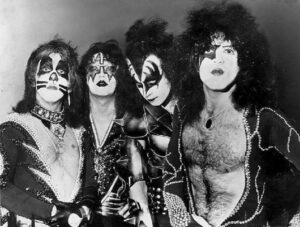






CROISETTE CHRONICLES — PART II
“Sun, Silk & Studied Chaos”
If the first week of Cannes 2026 whispered, the second week grabbed you by the collar.
A blush-pink strapless column gown arrived on the Croisette with the kind of quiet ferocity only a seasoned red carpet can absorb. Pearl-scattered at the bust, its satin surface caught every camera flash. It was paired with a voluminous silver-grey cocoon coat draped off both shoulders — not worn, deployed. Chandelier diamonds framed the ears, stacked rings adorned both hands, and sleekly pulled-back hair revealed a razor-sharp jawline. This was old Hollywood reconstructed by someone who found the original too polite.

Then came the moment that stopped the Croisette mid-scroll: a chartreuse pleated one-shoulder gown, its fabric engineered into deep diagonal ridges sweeping from a sculpted shoulder down to a dramatic thigh-high slit. Photographed against palm trees and Mediterranean light, it looked less like an outfit and more like a natural phenomenon — moss-coloured, elemental, inevitable. A single emerald pendant rested at the throat. Loose waves, barely tamed, completed the look. The overall effect? A woman who dressed for the landscape, not the photographers — and somehow captivated both.
Beside the sea, another story unfolded. A dark sequinned gown — midnight black fading into deep magenta — was worn against the backdrop of open water. Hair loosened by the wind, a glance thrown back over one bare shoulder. Delicate crystal chains descended the open back like jewellery transformed into architecture. No carpet, no crowd. Just Riviera light and the confidence to command it entirely.

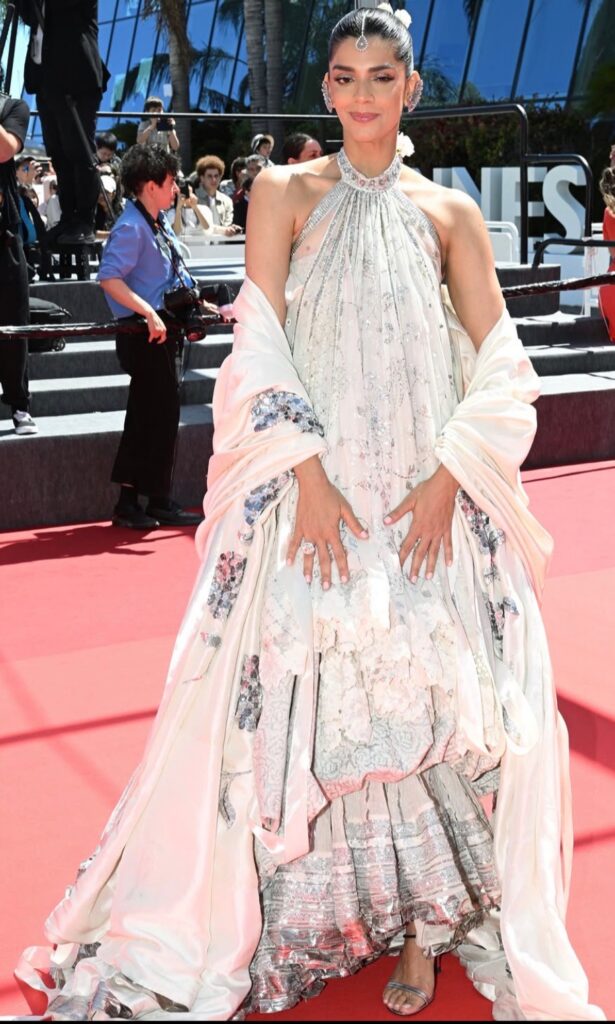
Then came the cultural statement that deserved its own paragraph: a halter-neck anarkali of extraordinary intricacy. Silver and blush floral embroidery spread across ivory silk, while a heavily diamond-encrusted halter neckline functioned as both collar and jewel. A maang tikka and oversized jhumkas completed a look worthy of museum display. A blush dupatta trailed behind with quiet drama. This was Indian couture presented not as a translation for a Western audience, but entirely on its own terms — unapologetic, uncompromising, and self-assured.
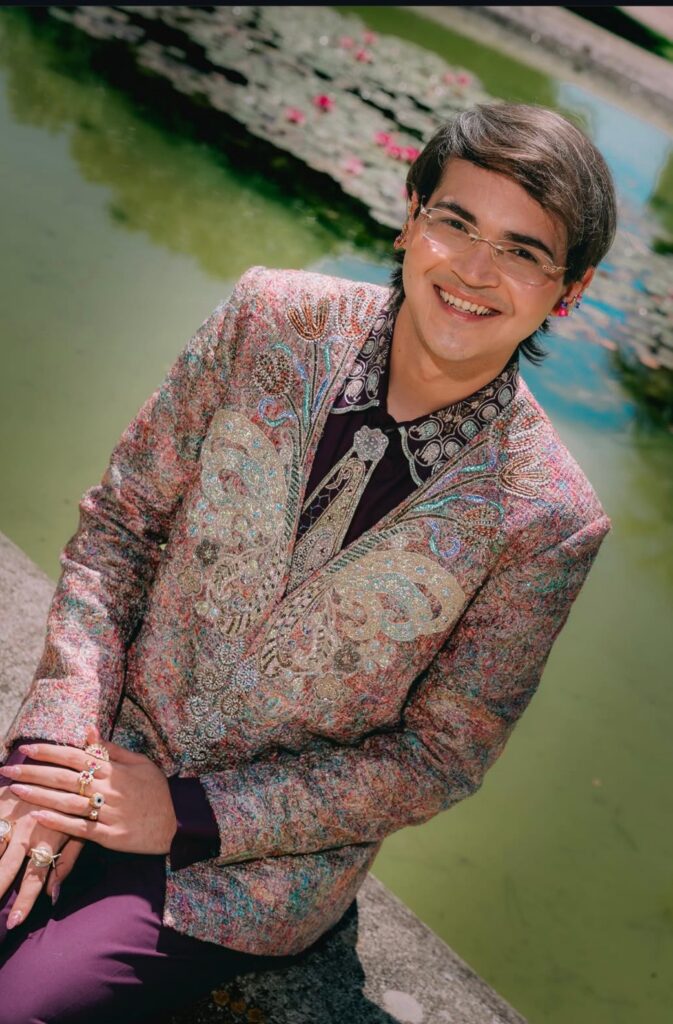
Finally, there was the fashion commentator who became the story. A multicoloured embroidered bandhgala blazer — alive with iridescent threadwork in mauve, teal, and gold — was paired with plum trousers and a galaxy of statement rings. Frameless glasses added restraint to the visual richness, while the smile carried a different message altogether: I dressed for myself first. At Cannes, where everyone performs for someone, that may be the most radical statement of all.
“The Riviera didn’t dress them. They dressed the Riviera.”
Events
Fashion Designer Amit GT and Le Marquise Jewellery by Jasmine Gulati Jain and Sambhav Jain Showcase Excellence Under the Golden Lumière Awards at the 79th Festival de Cannes 2026 Show Directed by Liza Varma

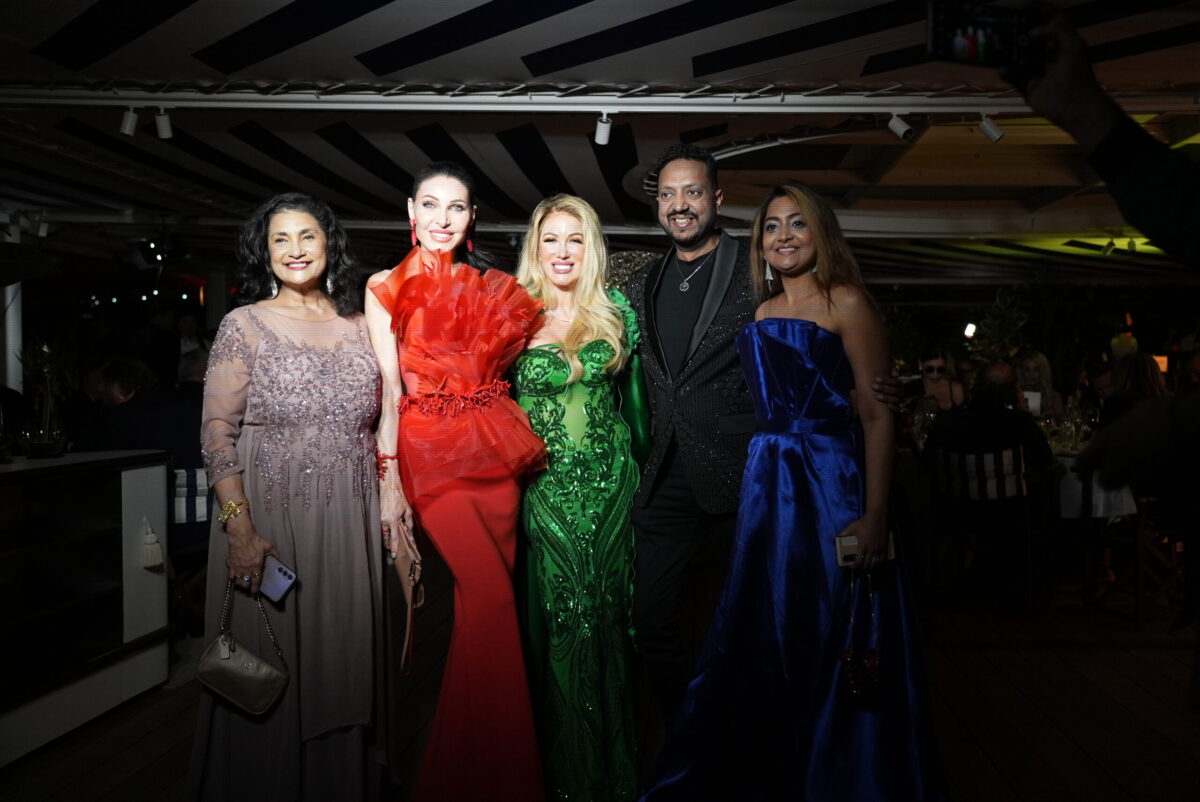
As part of India’s multi-platform presence at the 79th Festival de Cannes 2026, internationally renowned Show Director Liza Varma from India led a delegation of Indian designers and jewellery labels at the Fashion TV Presentation held on 18th May 2026 at the Majestic Hotel, Cannes, at 9:30 PM (CEST).
The showcase featured celebrated Indian designer Amit GT along with Le Marquise Jewellery by Jasmine Gulati Jain and Sambhav Jain, presenting a curated display of fashion and jewellery that reflected contemporary Indian design sensibilities on an international platform. Amit GT’s showcase was presented under the prestigious Golden Lumière Awards Cannes 2026, hosted at the Majestic Hotel Beach, Cannes.

The Golden Lumière Awards show is hosted at the Majestic Hotel Beach, Cannes2026, where cinema meets luxury, celebrating outstanding personalities from international cinema along with visionary business leaders supporting art, culture, cinema, and the future generation of creators. The grand evening was attended by international personality Farhana Bodi and actress Urvashi Rautela, while actress Pooja Batra. The event was produced by Anna Neneman from ENW Showroom.

Speaking about the showcase, Liza Varma said, “My focus is to create opportunities for Indian designers and talent to present their work in international environments. Cannes provides an important global platform to showcase the strength of Indian fashion, craftsmanship, and creative talent before an international audience.”
Held alongside the 79th edition of the Cannes Film Festival 2026, the presentation formed part of a larger initiative led by Liza Varma to create global visibility for Indian designers, jewellery labels, and creative talent through curated showcases and international collaborations at Cannes.

Baby Forest Maasoom Petika: A Thoughtful Ayurvedic Baby Care Gift for First Raksha Bandhan

Birla Cellulose’s Handloom Initiative Brings New Possibilities for Traditional Weaving

EAW Global Aqua Expo 2026 Inaugurated at Bharat Mandapam; Water Leaders Convene to Shape India’s Water Future






An Evening of Healing, Hope, and Humanity: The Healing Brush Unveiled at Delhi Golf Club

Meltdown Proof: How to Protect Your Skin from India’s Ultimate Summer

Baby Care Essentials Every Parent Needs This Summer

Star-Studded Premiere of Bharat Bhagya Vidhat

Beyond Silence: A Smarter Way to Meditate

Masters of the Universe Review: A Triumphant Return to Eternia

 Events7 years ago
Vandy Mehra & Dr. Sanjana Jon hosted a fashionable evening

 Celebrities2 years ago
VOGUE EYEWEAR UNVEILS ‘KEEP PLAYING’, AN EFFERVESCENT CAMPAIGN WITH BRAND AMBASSADOR

 Lifestyle2 years ago
Aza Fashions Launches Flagship Store in Dhan Mill, New Delhi

 Celebrities2 years ago
Sony AATH is premiering the 4th Gopal Bhar movie titled ‘Gopaler Buddhi

 Business9 years ago
Uber and Lyft are finally available in all of New York State
 Health & Beauty2 years ago
The Face Shop Unveils the Vitamin Lip Sleeping Mask: A Revolution in Lip Care

 Celebrities2 years ago
Appu gives meaningful message in country’s first 4K animated

 Lifestyle1 year ago
2025 Numerology Predictions by Tarot Reader Sangeeta Walia