
Fashion
THE JOURNEY FROM ‘POKER STRAIGHT HAIR’ TO THE EMERGENCE OF A MULTI-MILLION DOLLAR ‘WILDLY CURLY HAIR’ INDUSTRY


By the Urban Love Team
60% of the world’s population has curly and / or wavy hair, however, the ideal standards of Indian beauty have always been silky straight hair and that has manifested itself into our societal beliefs and perceptions. The Bollywood industry, that plays a huge part in influencing young minds, portrayed curly-haired women as rebellious, wild, quirky and undisciplined. This irrational obsession was fueled by the advancement of technological availability of salon-quality hair tools.
A majority of people around the world believe that Indian women are born with naturally silky, smooth and straight hair. These people cannot be blamed as the Bollywood industry has already set the standards, with straight hair that blows across the screen in slow motion. Watching these women on the screen might have persuaded you into buying a few hair extensions, straightening tools, or even those newly famous Sugarbear hair gummies trending on Instagram and other social platforms. Let’s break it to you; South Asian women are known to have naturally wavy and curly hair.
It is an enthralling time within the world of entertainment. Inclusivity has become more apparent in the fashion and beauty industries, however, Bollywood – well let us give it some credit for at least trying. From an ‘Oh haseena zulfein wali jaane jaha’ to Badshah rapping ‘Zulfein hain zalim’, to Diya Mirza’s ‘khuli latein’ in Zara Zara, Bollywood has always glorified long luscious silky-smooth hair to the point where it is has been romanticized and even sexualized.
The Bollywood industry has now started representing real women on big screens. Actresses are demanding to showcase their actual selves, instead of the surface-level divas their roles claim them to be. Inclusivity in terms of body types, skin color, and facial structures have become ever so prominent in today’s world.
Taapsee Pannu was given absolute freedom to keep her hair natural in Badla. Katrina transformed her hair into soft curls for Bharat. Mithila Palmar has been seen in one of the famous Netflix shows, Chopsticks, where she has left her voluminous bouncy curls as natural as possible. The real women of India have imperfectly perfect curly and wavy hair, and it is time we see that on the big screens as well.
The Indian hair care market has forecasted to reach USD 4.89 billion by 2025 growing at a CAGR of 6.58%. With 60% of the global population having curls, coils and waves, amongst which two-thirds of women with textured hair use four or more hair care products each month. 90% of Indian hair is curly, wavy or textured, and now with the onset of acceptance of curly hair, 1.2 lakh monthly online searches by Indian users on managing curly hair have been noticed on various e-commerce websites.
Gone are the days when women would put hours and hours of effort into straightening their hair and making it look sleek and poker straight. Now, an increasing number of women are embracing naturally curly hair with the ever so popular ‘curly girl method’ (CGM).
Whether your hair is bouncy, big, tousled, or tight, textured hair, it is paving its way in style. Whether you have been tightly combing it down with oil or lathering it up with gel to tame it down, it is finally time to pull out that mane and strut the street as naturally as you can.
If you are thinking about embracing your textured hair, but do not know where to begin, do not worry yourself, because The Urban Love is here to your rescue with its unique blend of all-natural herbal hair care products.
You must use clean products without any harsh chemicals, sulfates, parabens, and silicone that are typically found in shampoos, and a lot of curly hair products. These products eventually lead to damaged hair and will strip the natural oils from your curls, leading to dry frizzy and dull hair. Aside from stripping away the natural texture of your hair these chemicals are also linked to more severe conditions, such as breast cancer.
As you start discovering the beauty in your curls you will find yourself appreciating a lot more things that you might have resented over time. Just like the natural curves of your body, it is important to embrace the natural curls of your hair as well. Let it bounce and come to life, let the Diva in you Shine through with The Urban Love hair products.
It’s time we liberate ourselves from the predefined notions of beauty set by our society and embrace the glory of our uniquely diverse hair that has been passed down from generations while exploring the potential within us to the fullest.









CROISETTE CHRONICLES — PART II
“Sun, Silk & Studied Chaos”
If the first week of Cannes 2026 whispered, the second week grabbed you by the collar.
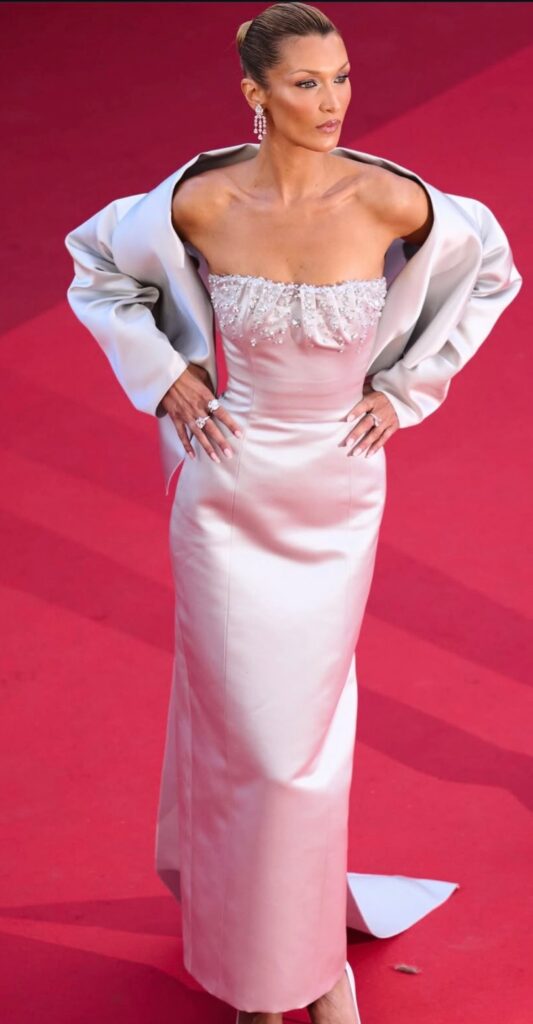
A blush-pink strapless column gown arrived on the Croisette with the kind of quiet ferocity only a seasoned red carpet can absorb. Pearl-scattered at the bust, its satin surface caught every camera flash. It was paired with a voluminous silver-grey cocoon coat draped off both shoulders — not worn, deployed. Chandelier diamonds framed the ears, stacked rings adorned both hands, and sleekly pulled-back hair revealed a razor-sharp jawline. This was old Hollywood reconstructed by someone who found the original too polite.
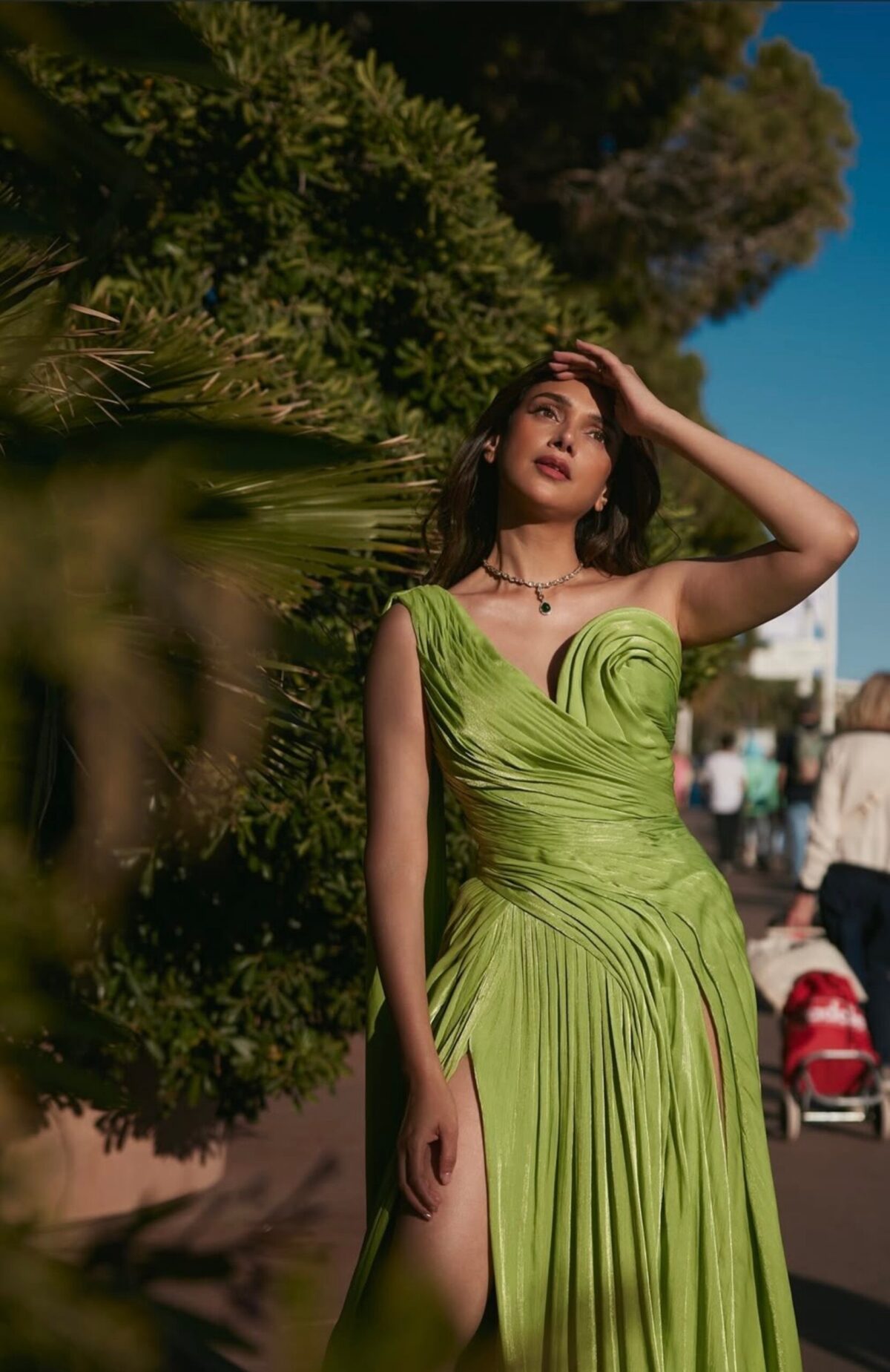
Then came the moment that stopped the Croisette mid-scroll: a chartreuse pleated one-shoulder gown, its fabric engineered into deep diagonal ridges sweeping from a sculpted shoulder down to a dramatic thigh-high slit. Photographed against palm trees and Mediterranean light, it looked less like an outfit and more like a natural phenomenon — moss-coloured, elemental, inevitable. A single emerald pendant rested at the throat. Loose waves, barely tamed, completed the look. The overall effect? A woman who dressed for the landscape, not the photographers — and somehow captivated both.
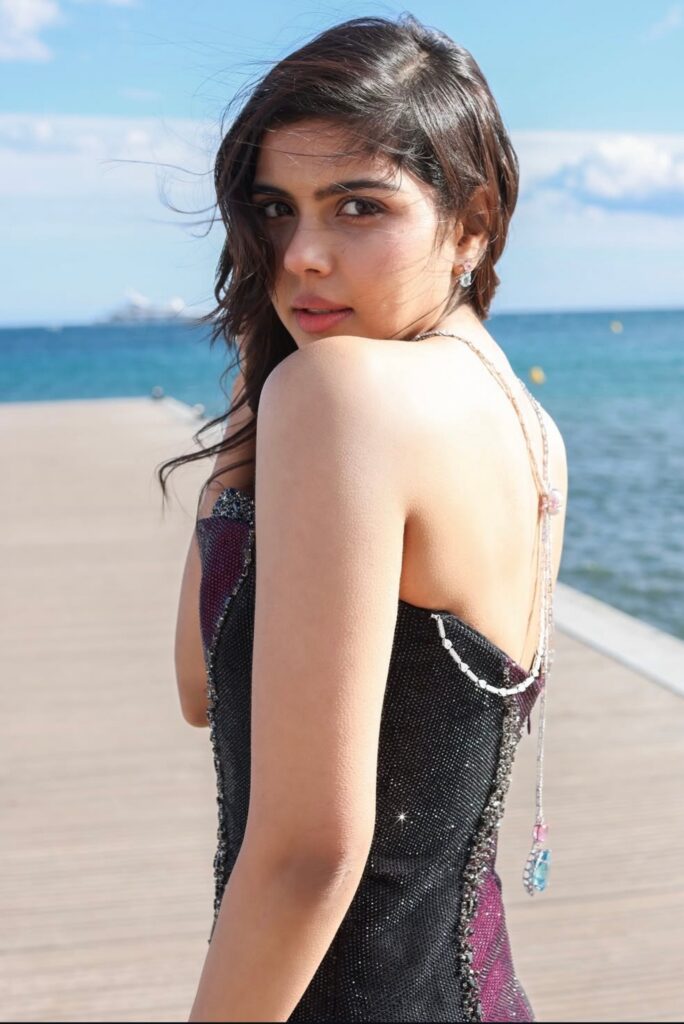
Beside the sea, another story unfolded. A dark sequinned gown — midnight black fading into deep magenta — was worn against the backdrop of open water. Hair loosened by the wind, a glance thrown back over one bare shoulder. Delicate crystal chains descended the open back like jewellery transformed into architecture. No carpet, no crowd. Just Riviera light and the confidence to command it entirely.
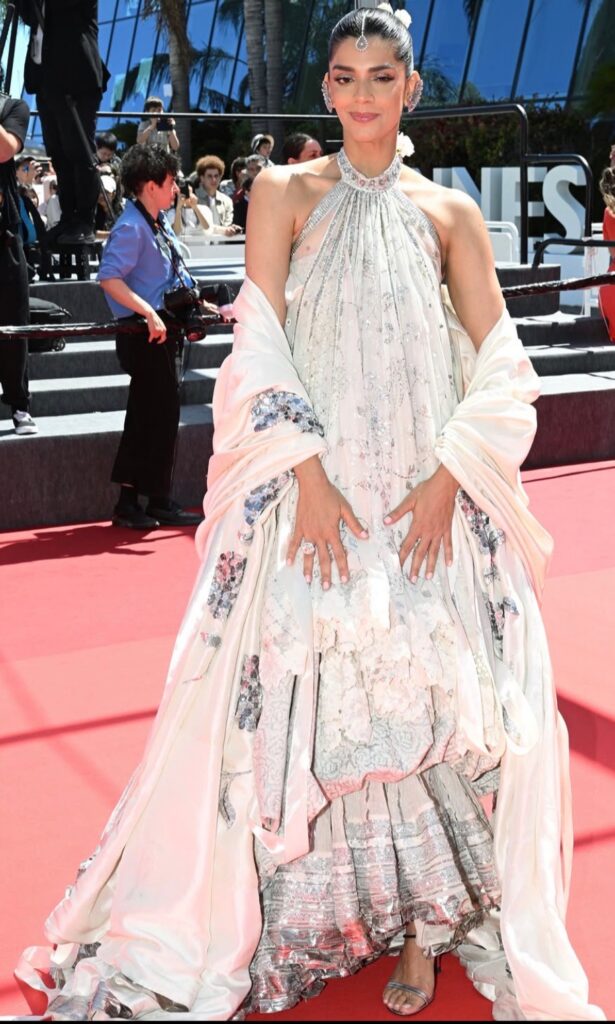
Then came the cultural statement that deserved its own paragraph: a halter-neck anarkali of extraordinary intricacy. Silver and blush floral embroidery spread across ivory silk, while a heavily diamond-encrusted halter neckline functioned as both collar and jewel. A maang tikka and oversized jhumkas completed a look worthy of museum display. A blush dupatta trailed behind with quiet drama. This was Indian couture presented not as a translation for a Western audience, but entirely on its own terms — unapologetic, uncompromising, and self-assured.
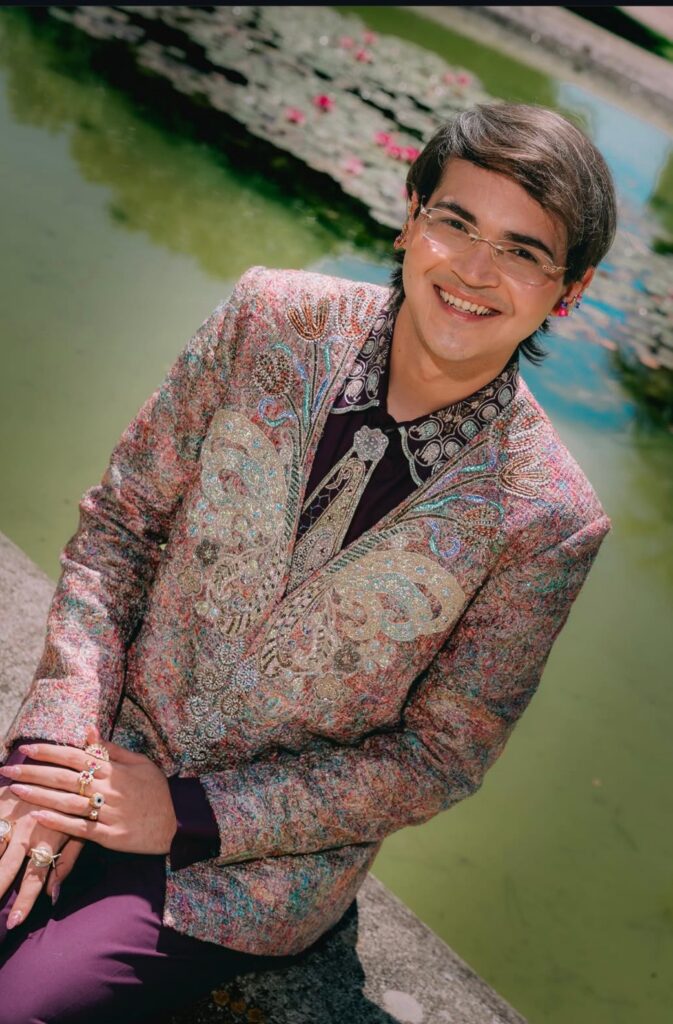
Finally, there was the fashion commentator who became the story. A multicoloured embroidered bandhgala blazer — alive with iridescent threadwork in mauve, teal, and gold — was paired with plum trousers and a galaxy of statement rings. Frameless glasses added restraint to the visual richness, while the smile carried a different message altogether: I dressed for myself first. At Cannes, where everyone performs for someone, that may be the most radical statement of all.
“The Riviera didn’t dress them. They dressed the Riviera.”
Events
Fashion Designer Amit GT and Le Marquise Jewellery by Jasmine Gulati Jain and Sambhav Jain Showcase Excellence Under the Golden Lumière Awards at the 79th Festival de Cannes 2026 Show Directed by Liza Varma

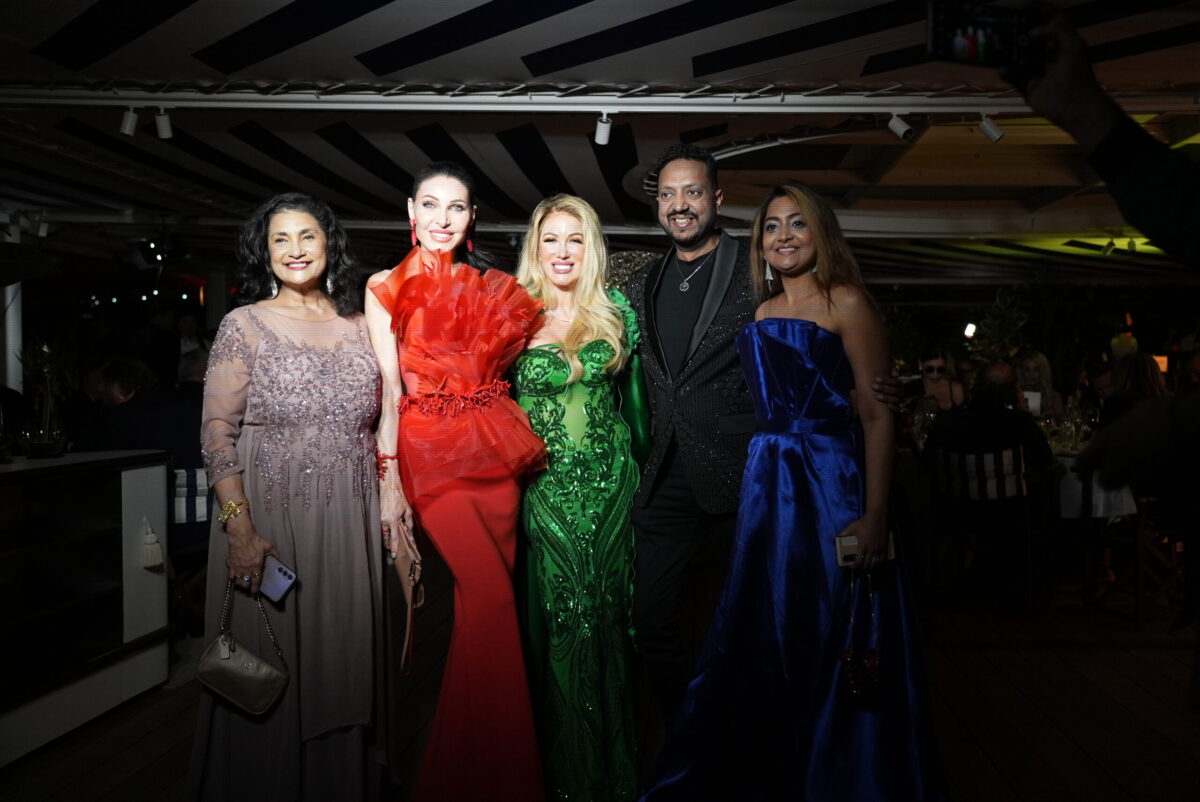
As part of India’s multi-platform presence at the 79th Festival de Cannes 2026, internationally renowned Show Director Liza Varma from India led a delegation of Indian designers and jewellery labels at the Fashion TV Presentation held on 18th May 2026 at the Majestic Hotel, Cannes, at 9:30 PM (CEST).
The showcase featured celebrated Indian designer Amit GT along with Le Marquise Jewellery by Jasmine Gulati Jain and Sambhav Jain, presenting a curated display of fashion and jewellery that reflected contemporary Indian design sensibilities on an international platform. Amit GT’s showcase was presented under the prestigious Golden Lumière Awards Cannes 2026, hosted at the Majestic Hotel Beach, Cannes.
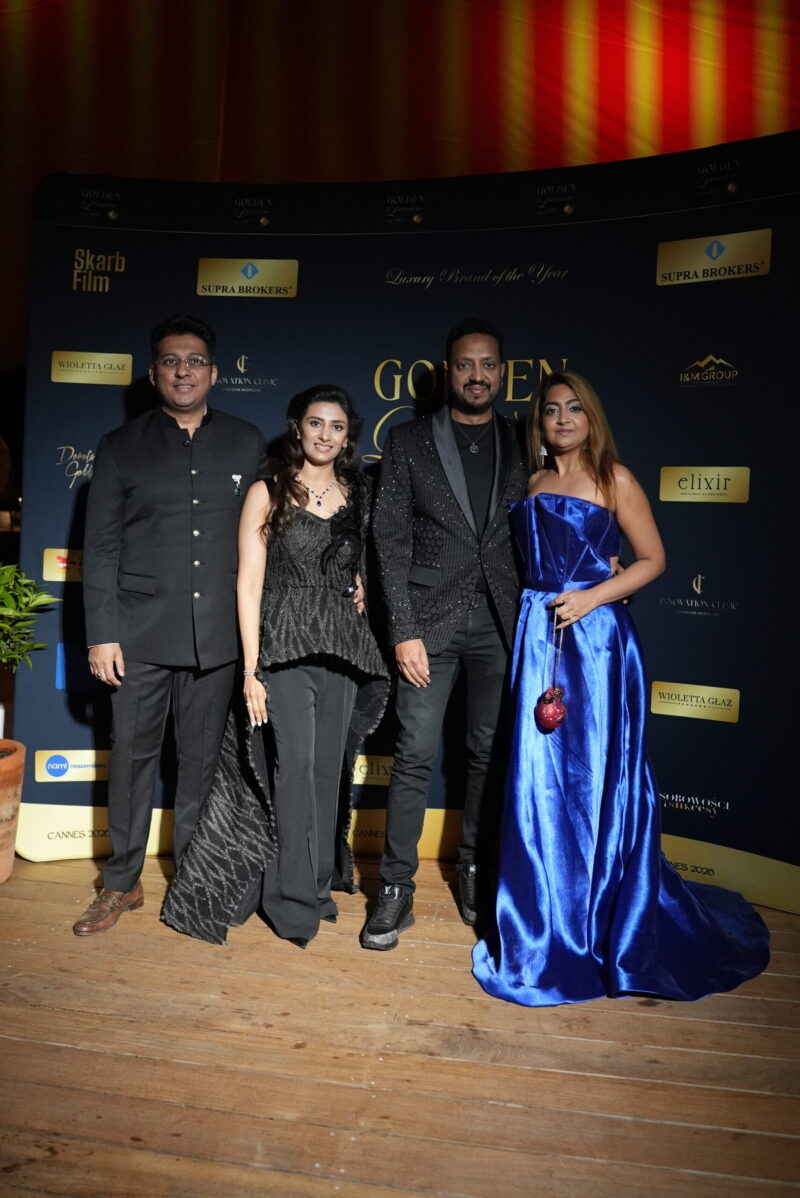
The Golden Lumière Awards show is hosted at the Majestic Hotel Beach, Cannes2026, where cinema meets luxury, celebrating outstanding personalities from international cinema along with visionary business leaders supporting art, culture, cinema, and the future generation of creators. The grand evening was attended by international personality Farhana Bodi and actress Urvashi Rautela, while actress Pooja Batra. The event was produced by Anna Neneman from ENW Showroom.
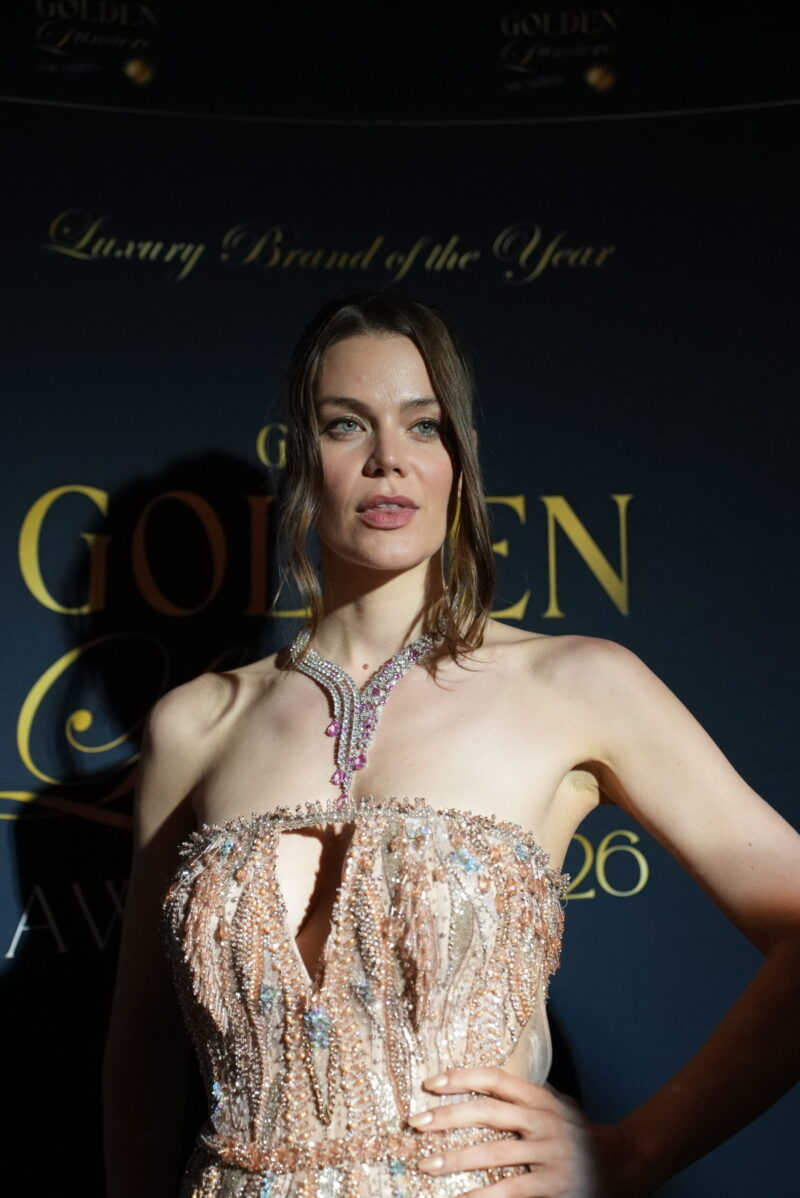
Speaking about the showcase, Liza Varma said, “My focus is to create opportunities for Indian designers and talent to present their work in international environments. Cannes provides an important global platform to showcase the strength of Indian fashion, craftsmanship, and creative talent before an international audience.”
Held alongside the 79th edition of the Cannes Film Festival 2026, the presentation formed part of a larger initiative led by Liza Varma to create global visibility for Indian designers, jewellery labels, and creative talent through curated showcases and international collaborations at Cannes.

Baby Forest Maasoom Petika: A Thoughtful Ayurvedic Baby Care Gift for First Raksha Bandhan

Birla Cellulose’s Handloom Initiative Brings New Possibilities for Traditional Weaving

EAW Global Aqua Expo 2026 Inaugurated at Bharat Mandapam; Water Leaders Convene to Shape India’s Water Future






An Evening of Healing, Hope, and Humanity: The Healing Brush Unveiled at Delhi Golf Club

Meltdown Proof: How to Protect Your Skin from India’s Ultimate Summer

Baby Care Essentials Every Parent Needs This Summer

Star-Studded Premiere of Bharat Bhagya Vidhat

Beyond Silence: A Smarter Way to Meditate

Masters of the Universe Review: A Triumphant Return to Eternia

 Events8 years ago
Vandy Mehra & Dr. Sanjana Jon hosted a fashionable evening

 Celebrities2 years ago
VOGUE EYEWEAR UNVEILS ‘KEEP PLAYING’, AN EFFERVESCENT CAMPAIGN WITH BRAND AMBASSADOR
 Lifestyle2 years ago
Aza Fashions Launches Flagship Store in Dhan Mill, New Delhi

 Celebrities2 years ago
Sony AATH is premiering the 4th Gopal Bhar movie titled ‘Gopaler Buddhi

 Business9 years ago
Uber and Lyft are finally available in all of New York State
 Health & Beauty2 years ago
The Face Shop Unveils the Vitamin Lip Sleeping Mask: A Revolution in Lip Care

 Celebrities2 years ago
Appu gives meaningful message in country’s first 4K animated

 Lifestyle2 years ago
2025 Numerology Predictions by Tarot Reader Sangeeta Walia