
Lifestyle
National Geographic India’s SUPERFACTORIES to take viewers inside OPPO’s state-of-the-art manufacturing facility in India


Premiering on February 27th, the documentary will give viewers an overview of the unique production facility of the smartphone manufacturer – OPPO in India
SUPERFACTORIES from National Geographic India will be taking the viewers behind-the-scenes at OPPO’s sprawling state-of-the-art factory in India. Premiering February 27th at 7.00 pm, the upcoming documentary will give an insight into the manufacturing process adopted by the company to produce millions of smartphones with their iconic designs to satisfy their loyal customers.
The documentary will introduce the viewers to the mechanism behind the operations and how the brand has managed to establish a large footprint in the country. Featuring the mega facility that aims to produce more than 6 million units every month during peak season – that is going to be one smartphone in every 3 seconds, the film will also highlight the crucial role played by operational managers, R&D teams, and engineers; in bringing alive the company’s vision to develop and adopt new-age technology solutions.
“With SUPERFACTORIES, we offer a deeper understanding of high-tech factories by showcasing novel production techniques, innovative engineering, and cutting-edge technologies adopted by some of the most renowned brands in the world. Keeping with this promise, the documentary gives viewers access to OPPO’s digital pathway; providing them with knowledge of the smart manufacturing technology and practices implemented at the company to deliver great value and products to their customers,” said a National Geographic India Spokesperson
“OPPO is a pioneering force in building India’s smartphone manufacturing ecosystem. Being featured on SUPERFACTORIES is a testimony to OPPO’s innovative and industry defining ethos of ‘Technology for Mankind. Kindness for the world’. I am confident tech enthusiasts and millions of OPPO consumers in India will enjoy seeing what goes into creating their favourite smartphones” said Damyant Singh Khanoria, Chief Marketing Officer, OPPO India
OPPO in the last six years has built its legacy as a Global Technology Innovator by launching Several ‘Firsts’ in the smartphone market, therefore, becoming one of the leading global premium smartphone brands in India. It is committed to bringing innovative technology solutions backed by a strong after-sales service strategy centered on consumer needs. With a robust network of over 500 exclusive service centers across 500+ cities, the brand, today, services consumers even from the remotest places in the country.
National Geographic India’s upcoming documentary, ‘SUPERFACTORIES: OPPO’ will premiere on February 27th, 2021, at 7.00 pm on National Geographic Channel India.
About National Geographic Partners
National Geographic Partners LLC (NGP), a joint venture between The Walt Disney Company and the National Geographic Society, is committed to bringing the world premium science, adventure and exploration content across an unrivalled portfolio of media assets. . NGP returns 27% of the proceeds to the non-profit National Geographic Society to fund work in the areas of science, exploration, conservation and education. In India, National Geographic Channel and Nat Geo Wild are available across five languages and have a wide-ranging mix of international shows which are made local relevant and shows that are developed and created locally.


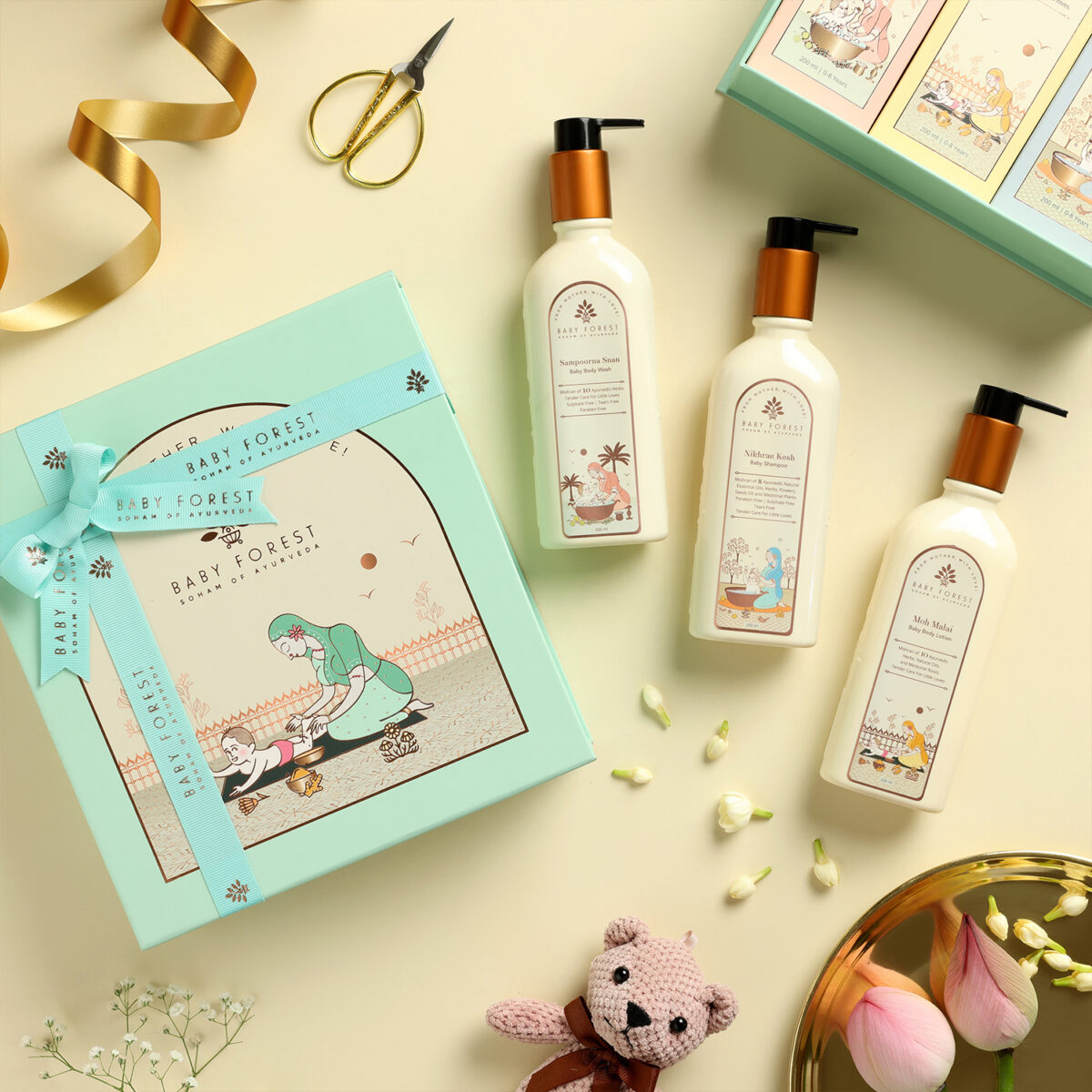
India’s leading luxury Ayurvedic baby care brand, to share a thoughtful gifting option for your upcoming Raksha Bandhan stories and festive gift guides.
Instagram: https://www.instagram.com/babyforestayurveda/
Website: https://www.babyforest.in/
With Raksha Bandhan around the corner, Baby Forest’s Maasoom Petika makes for a thoughtful gift for a little one celebrating their first Rakhi, bringing together Ayurvedic-inspired baby care essentials designed around everyday rituals of nourishment, care and love.
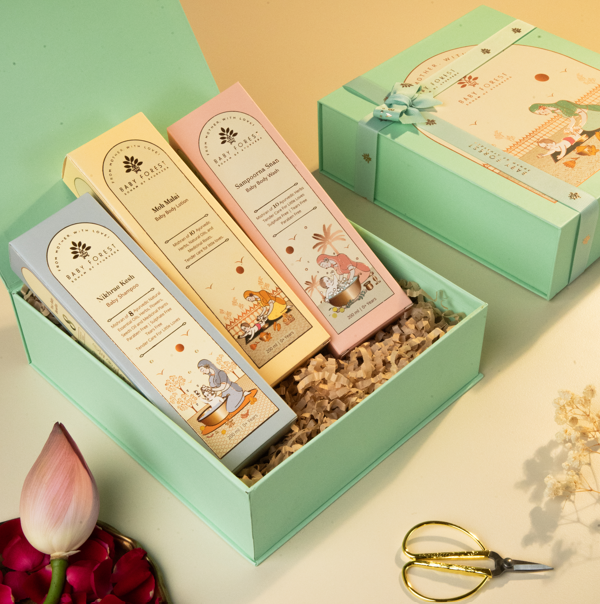
Designed as a thoughtfully curated baby-care gift box, Maasoom Petika brings together gentle, Ayurveda-inspired essentials for a little one’s everyday care. The gifting box is available in different combinations, allowing families to choose a care ritual suited to their needs.
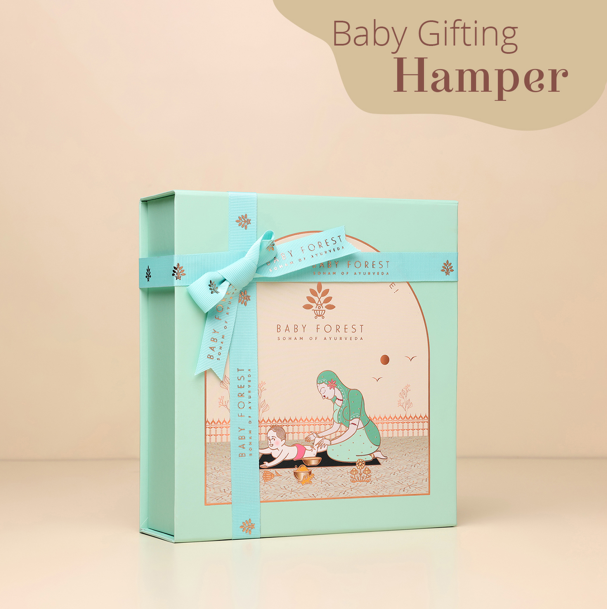
The Maasoom Petika range includes:
Bath & Body Care Combo
- Moh Malai Baby Body Lotion – a nourishing lotion designed to hydrate delicate baby skin
- Sampoorna Snan Baby Body Wash – a gentle cleansing formula
- Nikhrae Kesh Baby Shampoo – a natural, protein-rich shampoo formulated to nourish and moisturise the scalp
The formulations are inspired by Ayurveda and use nature-derived ingredients, with Baby Forest highlighting plant-based formulations, cruelty-free practices and products made without harsh chemicals and artificial fragrances.
For Raksha Bandhan, the Maasoom Petika can be positioned as a gift of care for the youngest member of the family, making it a lovely addition to festive gifting guides focused on babies, siblings, new parents and family celebrations.
We would love to explore an editorial feature around Baby Forest’s Maasoom Petika, spotlighting it as a thoughtful gifting option for a little one’s first Rakhi and celebrating the beautiful bond of care, love and nurturing that makes the occasion special.
About Baby Forest:
Rooted in the sixth branch of Ayurveda – Kaumar Bhritya (Pediatric Health Care), Baby Forest is a luxury baby care brand offering the best of nature with its all-natural ingredients. It is dedicated to ensuring every baby enjoys the benefits of a forest, where Ayurveda was born and where natural, organic, and nourishing solutions reside.
Website:babyforest.in
Instagram: @babyforestayurveda
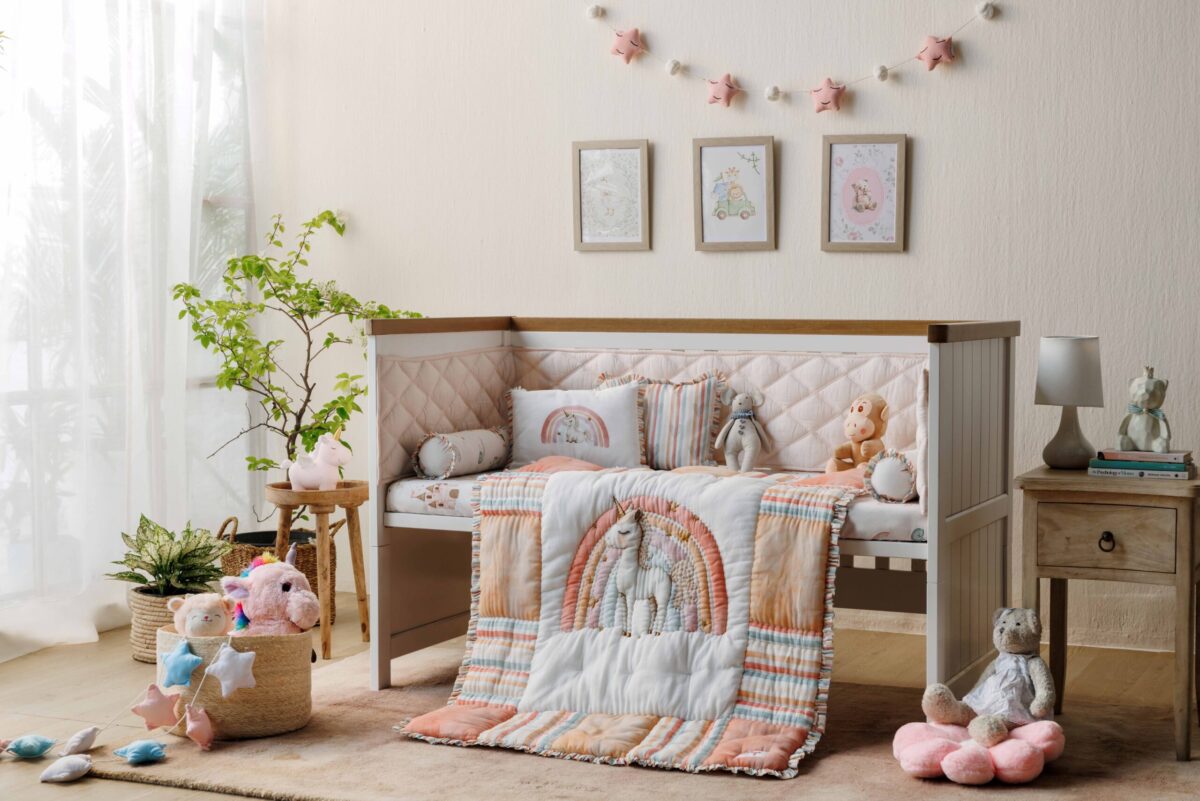
Long before children learn to read stories, they learn to live inside them. MiRooh’s latest Cosmic Candy Collection brings that idea to life through playful bedding and soft furnishings designed to turn bedrooms into miniature dreamscapes.
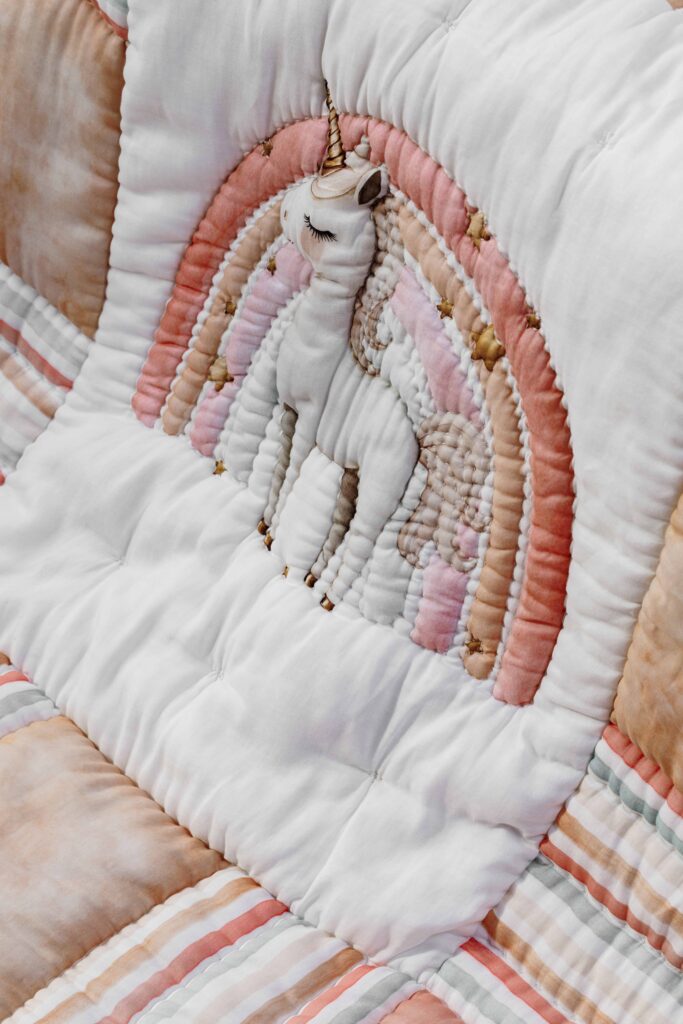
Crafted in soothing pastel tones of blush pink, soft peach, ivory and muted aqua, the collection combines visual warmth with thoughtful detailing. Quilted bedding, embroidered cushions, ruffled borders and coordinated bolsters come together to create an environment that feels comforting, playful and inviting.
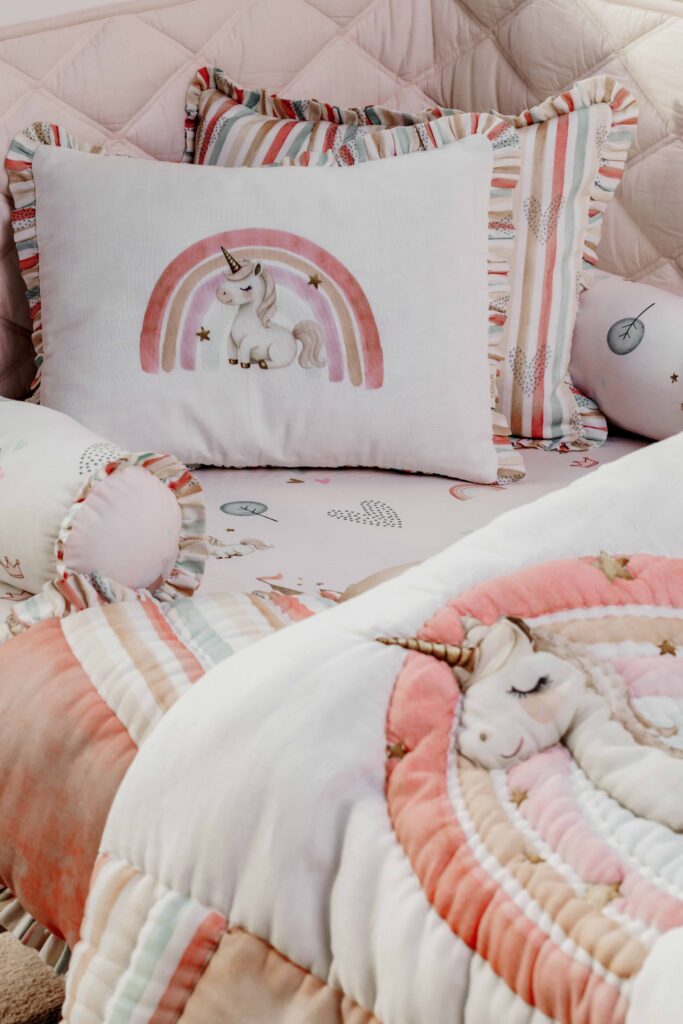
At the heart of the collection is a whimsical narrative designed to encourage imagination. Delicate illustrations of unicorns beneath rainbow arches, scattered stars, tiny crowns and dreamlike motifs appear across quilts, cushions and bed linen. The designs are playful without being overwhelming, allowing the room to feel calm while still capturing a child’s sense of wonder.
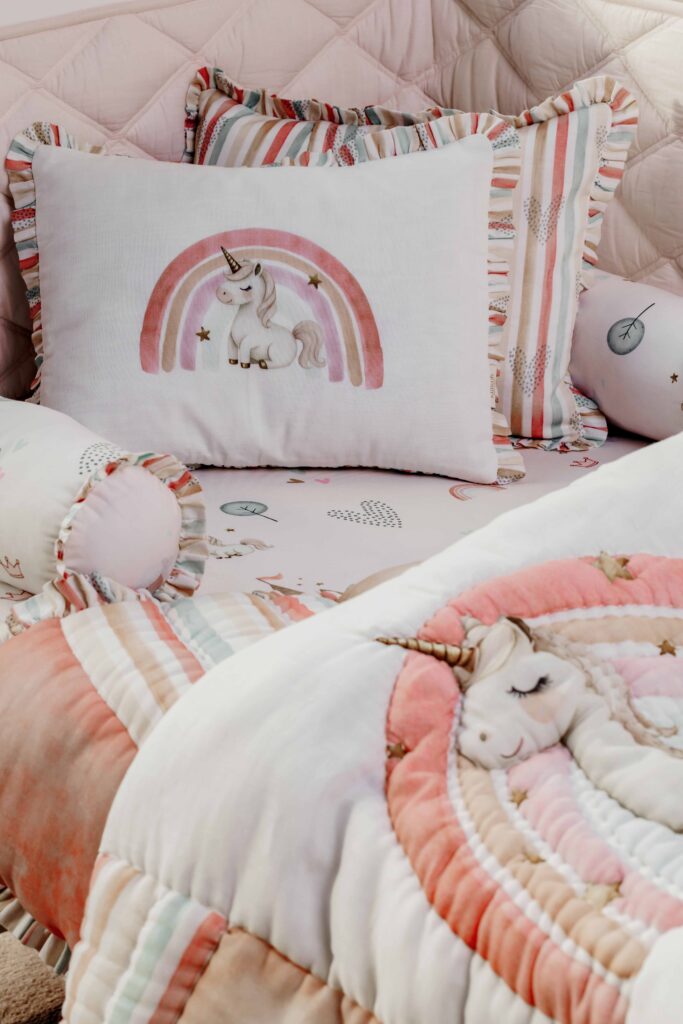
Made from soft, skin-friendly fabrics, each piece has been designed with comfort as carefully considered as aesthetics. Gentle textures, quilted surfaces and plush detailing create a cocoon-like setting that supports rest, play and quiet moments alike.
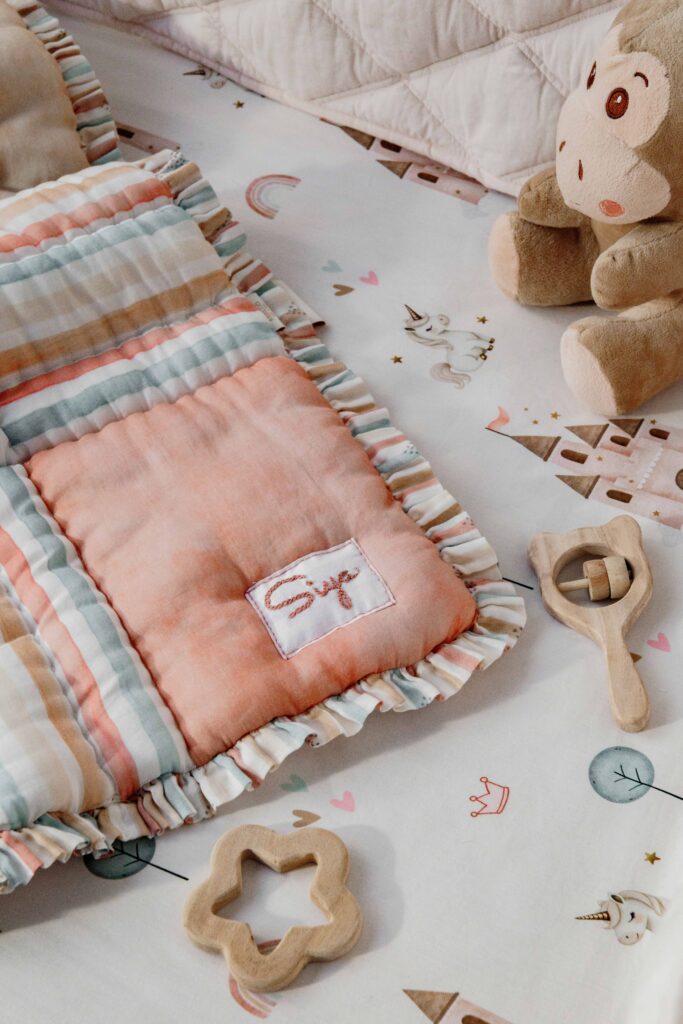
The Cosmic Candy collection reflects a growing shift towards thoughtfully designed children’s interiors, where furniture and furnishings contribute to a nurturing environment while maintaining a refined visual language that parents appreciate.
With this launch, MiRooh extends its design philosophy into the world of children’s spaces, creating pieces that are as memorable as they are functional. The result is a collection that celebrates childhood through craftsmanship, storytelling and comfort.
About us
MiRooh, loosely translated as “my soul,” was created out of a deep love for and resurrection of craft and attempts to popularize traditional methods. MiRooh was developed as a tribute to India’s rich cultural legacy by designers and textile specialists, with more than 40 years of combined experience. Masterful items that sit opulently in the homes of those with sophisticated tastes are the result of the fusion of influences from all around the nation.
Every series emphasizes high quality and distinctive craftsmanship. Each piece is made of gorgeous natural handwoven fabrics that are acquired from all around India; even the yarn is hand-selected and meticulously coloured. Mirooh has supplied reputable brands with flawless items all around the world.
Tradition and technique take center stage with experienced hands that turn the creative into technical with elegant embroideries and delicate patterns. To the brand, commitment to quality is of paramount importance. Perfection with every piece is their motto and with every piece the caliber of our commitment is solidified. From concept to creation, each collection is carefully researched with references to period, resources, mood boarding and ideating.
AVAILABILITY
Website: https://mirooh.in/
Instagram: @mirooh.in
Email: Info@mirooh.in
Phone: +91 9871833333
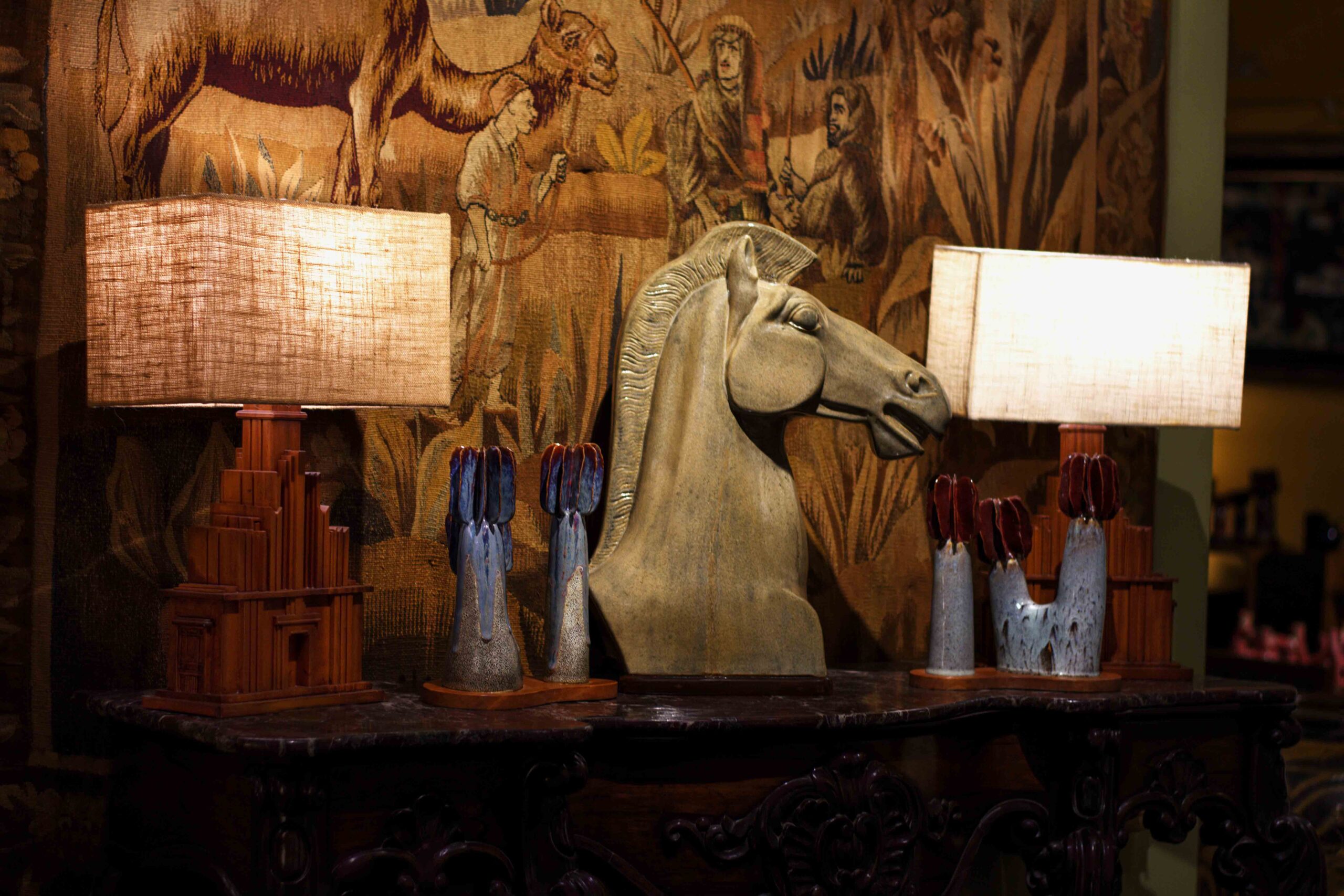
A Distinctive Ceramic Sculpture from its New Collection
The Great Eastern Home continues to celebrate timeless artistry and exceptional craftsmanship with The Stallion, one of the most distinctive pieces from its newly launched ceramic collection. Handmade by skilled artisans at The Great Eastern Home’s workshop and glazed in-house, this sculptural creation reflects the brand’s commitment to preserving artisanal heritage while continuously redefining contemporary design possibilities.
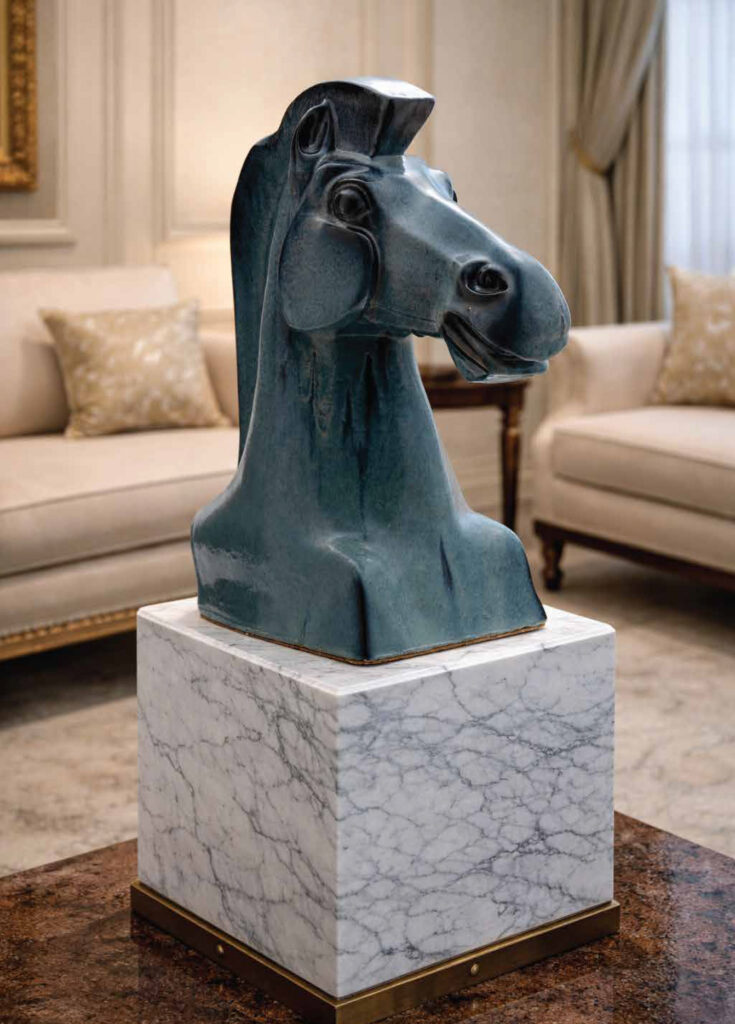
Inspired by the grace and power of the horse, The Stallion captures the animal in its most regal and dignified stance. The sculpture beautifully highlights the fluid transition from the curve of the neck into the sculpted head, before sharpening into a strong, commanding jawline. Every contour is carefully shaped to convey movement, strength, and elegance, resulting in a piece that feels both artistic and deeply expressive.
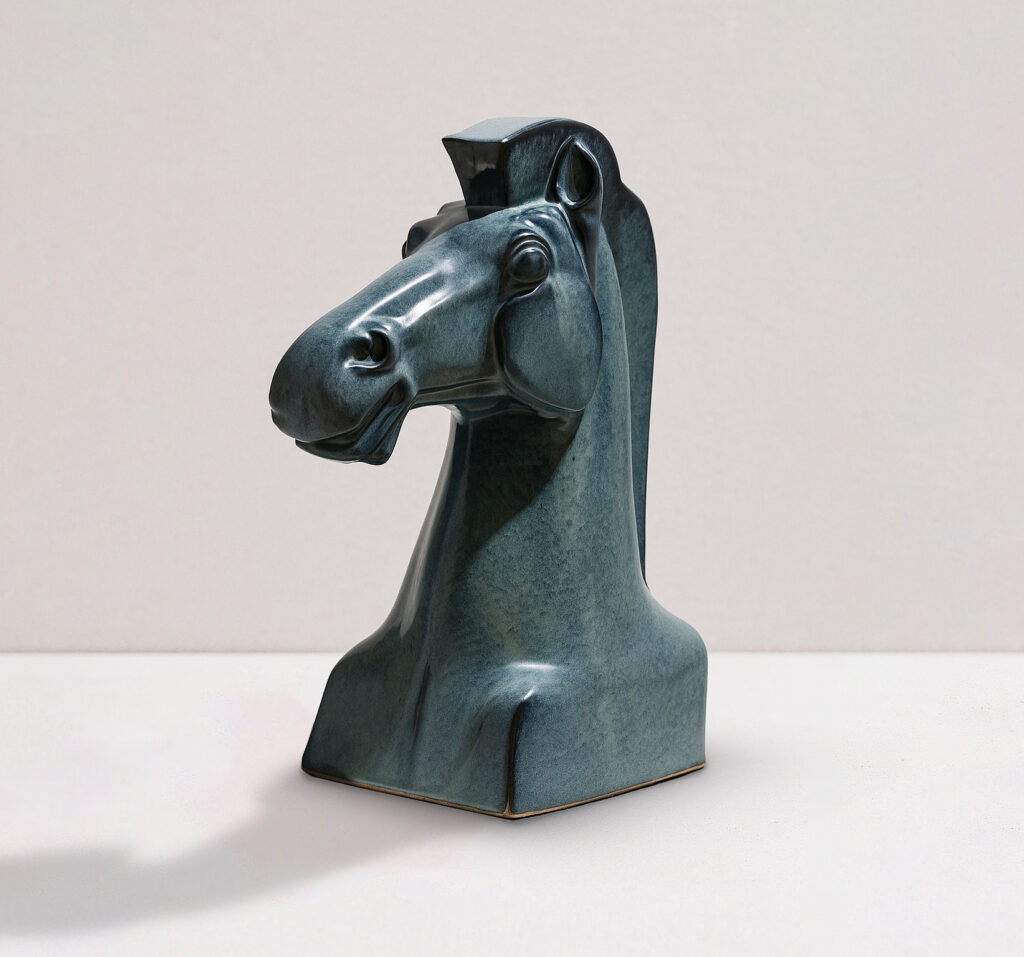
Its rich, oceanic glaze further elevates the sculpture’s character. Flowing between tones of indigo, verdigris, and midnight black, the finish catches light differently from every angle, creating remarkable depth and visual intrigue. The constantly shifting tones lend the piece an almost living presence, making it a striking focal point within any interior setting.
Entirely handcrafted, no two pieces of The Stallion are ever identical, making each sculpture truly one of a kind. More than a decorative object, it stands as a collectible work of art that embodies craftsmanship, individuality, and timeless sophistication.
Price: On Request
Website: http://www.thegreateasternhome.com/
Instagram: The Great Eastern Home

Baby Forest Maasoom Petika: A Thoughtful Ayurvedic Baby Care Gift for First Raksha Bandhan

Birla Cellulose’s Handloom Initiative Brings New Possibilities for Traditional Weaving

EAW Global Aqua Expo 2026 Inaugurated at Bharat Mandapam; Water Leaders Convene to Shape India’s Water Future






An Evening of Healing, Hope, and Humanity: The Healing Brush Unveiled at Delhi Golf Club

Meltdown Proof: How to Protect Your Skin from India’s Ultimate Summer

Baby Care Essentials Every Parent Needs This Summer

Star-Studded Premiere of Bharat Bhagya Vidhat

Beyond Silence: A Smarter Way to Meditate

Masters of the Universe Review: A Triumphant Return to Eternia

 Events8 years ago
Vandy Mehra & Dr. Sanjana Jon hosted a fashionable evening

 Celebrities2 years ago
VOGUE EYEWEAR UNVEILS ‘KEEP PLAYING’, AN EFFERVESCENT CAMPAIGN WITH BRAND AMBASSADOR

 Lifestyle2 years ago
Aza Fashions Launches Flagship Store in Dhan Mill, New Delhi

 Celebrities2 years ago
Sony AATH is premiering the 4th Gopal Bhar movie titled ‘Gopaler Buddhi

 Business9 years ago
Uber and Lyft are finally available in all of New York State

 Health & Beauty2 years ago
The Face Shop Unveils the Vitamin Lip Sleeping Mask: A Revolution in Lip Care

 Celebrities3 years ago
Appu gives meaningful message in country’s first 4K animated

 Lifestyle2 years ago
2025 Numerology Predictions by Tarot Reader Sangeeta Walia