
Fashion
Weaverstory Introduces Ethnic Collection of Dupattas


With the chic style statements in ethnic wear such as suits and stunning sarees, you can do up your desi looks. Statement pieces such as the exquisite dupattas are more than enough to help you steal all the attention. You can get that stunning red ethnic suit that you have been eyeing, gorgeous designer-inspired gotta Patti dupatta that never fails to make an impression in various fabrics. Weaverstory focuses on reviving the designs from museums and traditional forms feature a collection of timeless dupattas available in countless designs and hues. You can provide a stylish spin to your old salwar suits and lehengas by getting hold of a stunning range of dupattas.

Handwoven Chandheri Dupatta:
Weaverstory houses a collection of Handwoven chandheri silk dupattas which not only seem to be colourful but also include intricate detailing that makes them a class apart. They have a variety of works that adorn these dupattas like Rich Silver and Gold Zari, Meena, Booti, Zangla, Floral Motif and more. I can pick up pick one with the handwoven embroidery, printed patterns, zari borders or other styles.

Silk Dupatta:
Silk dupattas are an absolute choice of every girl because the rich silk fabric can provide a chic lift to any salwar suit. A Katan silk jangla dupatta with the work on meenakari zaal, cutwork Booti, Jamdani weave, Kadhwa weave, and more from the list of traditional weaves and works.

Patola and Ikat:
Patola although referred to as the Queen of sarees for its lush and illustrious silk and complicated geometrical patterns with the utilization of rich flora and fauna make an equally impressive mark in Dupattas too. The Banarasi Patola use the intricate meenakari cutwork technique to weave the sarees and dupattas whereas in the Patolas from Gujarat the technique used is completely different. The Warp and Weft are dyed within the pattern of the saree then woven with great mathematical precision. the end product though with similar motifs incorporates a completely different look.

Banarasi Bandhej:
This is an absolute must in every girl’s wardrobe because the rich silk fabric can give an elegant lift to any salwar suit. The Dupatta is handwoven in Banaras then the Bandhej is completed in Jam Nagar. this can be also referred to as shikarpuri bandhej.

If you’re someone who is curious about owning some beautiful silks, ikats, patolas and Banarasi dupattas with antique borders and weaves, it’s time you propose a visit to weaver story, 253, Westend Marg, near Garden of 5 Senses, New Delhi or visit online at weaverstory.com, Price on request.













CROISETTE CHRONICLES — PART II
“Sun, Silk & Studied Chaos”
If the first week of Cannes 2026 whispered, the second week grabbed you by the collar.
A blush-pink strapless column gown arrived on the Croisette with the kind of quiet ferocity only a seasoned red carpet can absorb. Pearl-scattered at the bust, its satin surface caught every camera flash. It was paired with a voluminous silver-grey cocoon coat draped off both shoulders — not worn, deployed. Chandelier diamonds framed the ears, stacked rings adorned both hands, and sleekly pulled-back hair revealed a razor-sharp jawline. This was old Hollywood reconstructed by someone who found the original too polite.
Then came the moment that stopped the Croisette mid-scroll: a chartreuse pleated one-shoulder gown, its fabric engineered into deep diagonal ridges sweeping from a sculpted shoulder down to a dramatic thigh-high slit. Photographed against palm trees and Mediterranean light, it looked less like an outfit and more like a natural phenomenon — moss-coloured, elemental, inevitable. A single emerald pendant rested at the throat. Loose waves, barely tamed, completed the look. The overall effect? A woman who dressed for the landscape, not the photographers — and somehow captivated both.
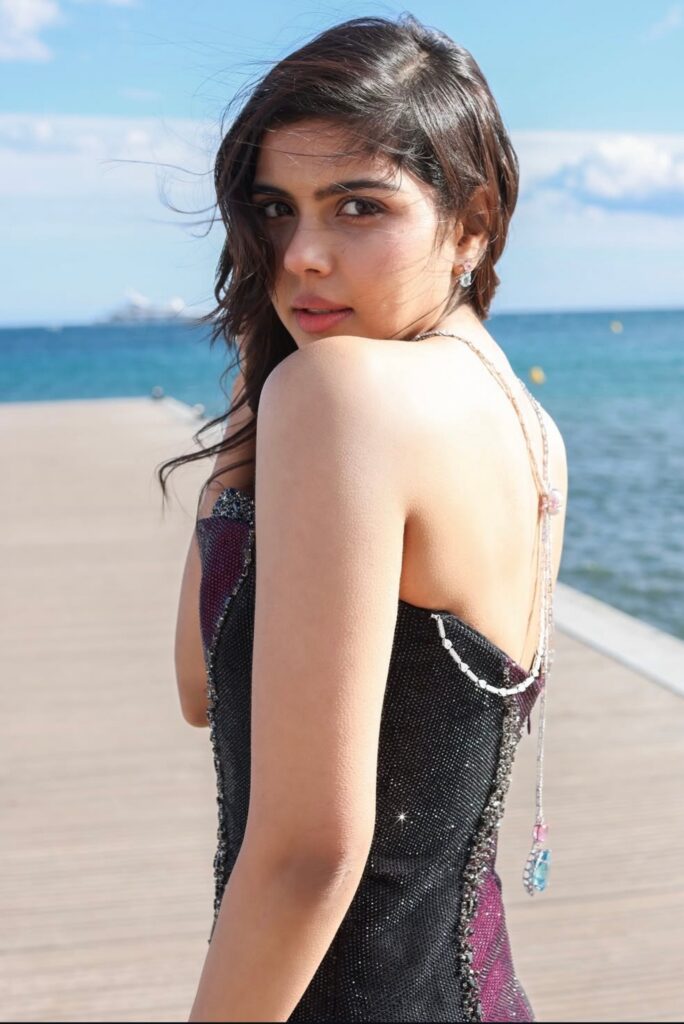
Beside the sea, another story unfolded. A dark sequinned gown — midnight black fading into deep magenta — was worn against the backdrop of open water. Hair loosened by the wind, a glance thrown back over one bare shoulder. Delicate crystal chains descended the open back like jewellery transformed into architecture. No carpet, no crowd. Just Riviera light and the confidence to command it entirely.

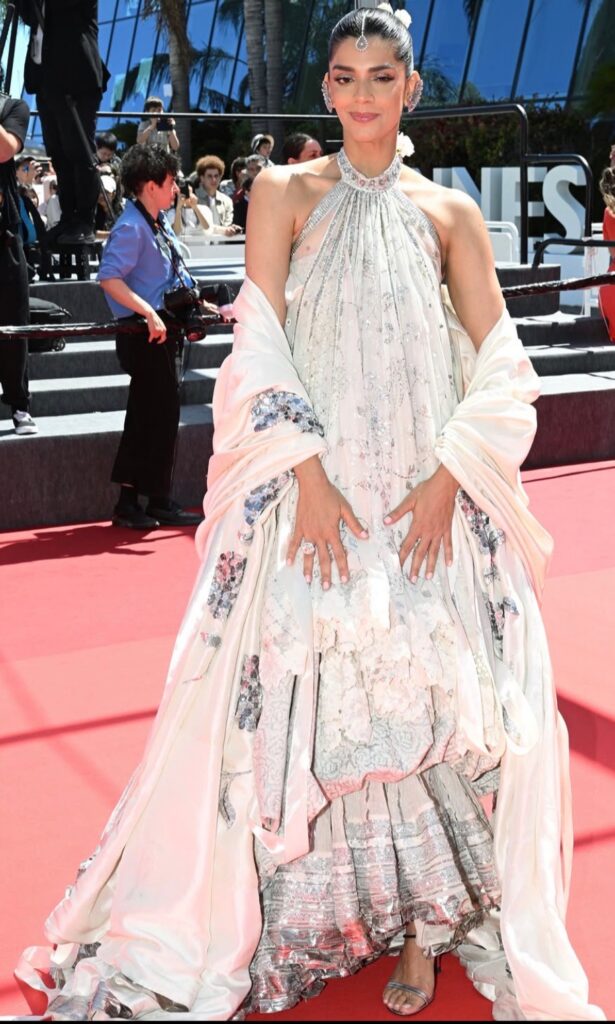
Then came the cultural statement that deserved its own paragraph: a halter-neck anarkali of extraordinary intricacy. Silver and blush floral embroidery spread across ivory silk, while a heavily diamond-encrusted halter neckline functioned as both collar and jewel. A maang tikka and oversized jhumkas completed a look worthy of museum display. A blush dupatta trailed behind with quiet drama. This was Indian couture presented not as a translation for a Western audience, but entirely on its own terms — unapologetic, uncompromising, and self-assured.
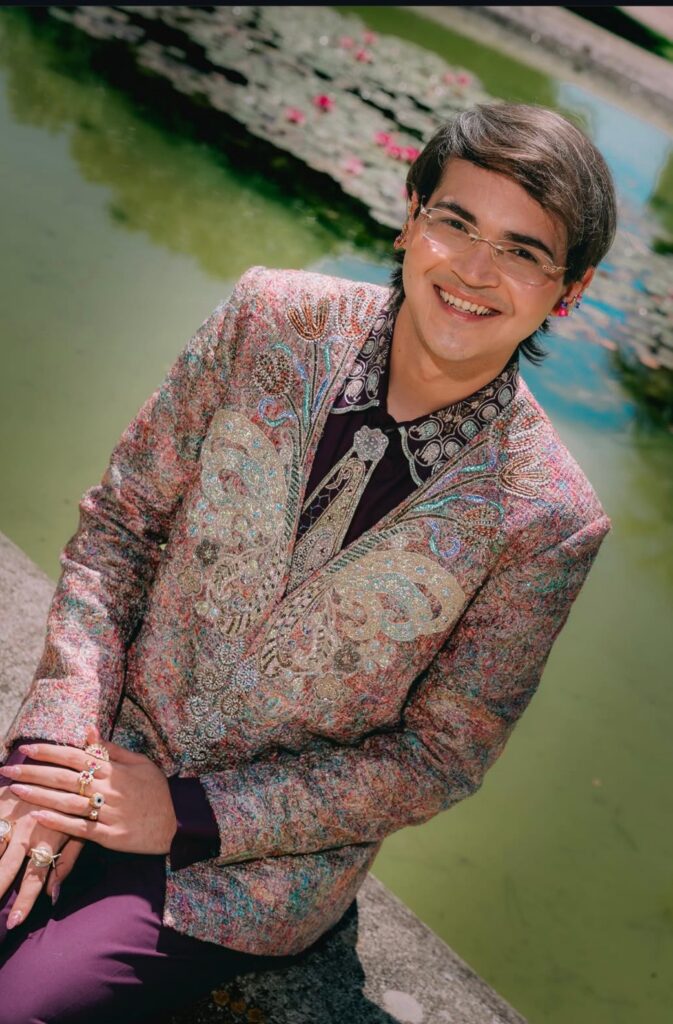
Finally, there was the fashion commentator who became the story. A multicoloured embroidered bandhgala blazer — alive with iridescent threadwork in mauve, teal, and gold — was paired with plum trousers and a galaxy of statement rings. Frameless glasses added restraint to the visual richness, while the smile carried a different message altogether: I dressed for myself first. At Cannes, where everyone performs for someone, that may be the most radical statement of all.
“The Riviera didn’t dress them. They dressed the Riviera.”
Events
Fashion Designer Amit GT and Le Marquise Jewellery by Jasmine Gulati Jain and Sambhav Jain Showcase Excellence Under the Golden Lumière Awards at the 79th Festival de Cannes 2026 Show Directed by Liza Varma

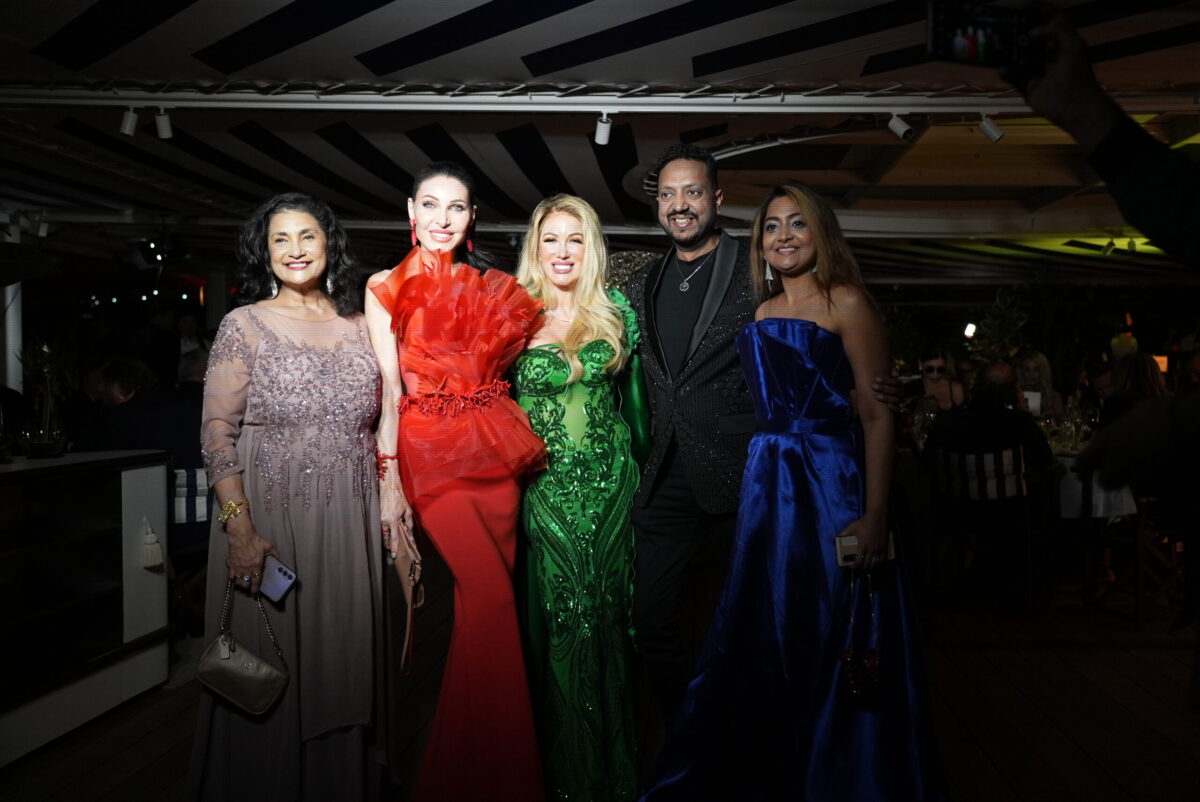
As part of India’s multi-platform presence at the 79th Festival de Cannes 2026, internationally renowned Show Director Liza Varma from India led a delegation of Indian designers and jewellery labels at the Fashion TV Presentation held on 18th May 2026 at the Majestic Hotel, Cannes, at 9:30 PM (CEST).
The showcase featured celebrated Indian designer Amit GT along with Le Marquise Jewellery by Jasmine Gulati Jain and Sambhav Jain, presenting a curated display of fashion and jewellery that reflected contemporary Indian design sensibilities on an international platform. Amit GT’s showcase was presented under the prestigious Golden Lumière Awards Cannes 2026, hosted at the Majestic Hotel Beach, Cannes.
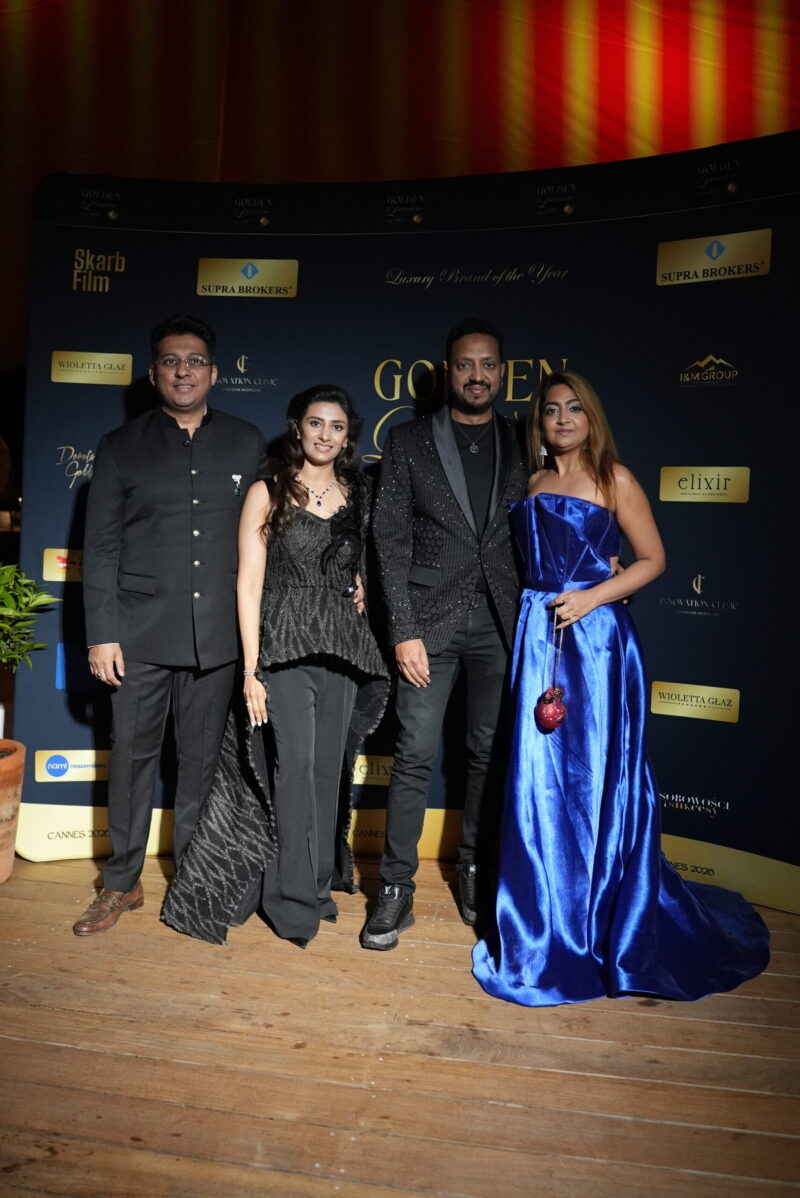
The Golden Lumière Awards show is hosted at the Majestic Hotel Beach, Cannes2026, where cinema meets luxury, celebrating outstanding personalities from international cinema along with visionary business leaders supporting art, culture, cinema, and the future generation of creators. The grand evening was attended by international personality Farhana Bodi and actress Urvashi Rautela, while actress Pooja Batra. The event was produced by Anna Neneman from ENW Showroom.

Speaking about the showcase, Liza Varma said, “My focus is to create opportunities for Indian designers and talent to present their work in international environments. Cannes provides an important global platform to showcase the strength of Indian fashion, craftsmanship, and creative talent before an international audience.”
Held alongside the 79th edition of the Cannes Film Festival 2026, the presentation formed part of a larger initiative led by Liza Varma to create global visibility for Indian designers, jewellery labels, and creative talent through curated showcases and international collaborations at Cannes.

Beyond Silence: A Smarter Way to Meditate

Masters of the Universe Review: A Triumphant Return to Eternia

MiRooh Introduces Cosmic Candy Collection That Turns Bedrooms into Storybooks







The Great Eastern Home Presents The Stallion

Sound to Silhouette: A History of Mutual Influence

The AI tools serious creators are quietly building empires with — and nobody is talking about

Luxury Hotels in Northern India: Best Palace, Mountain & Lakeside Retreats

Future of Fragrance: How AI, Genetics & Smart Technology Are Changing Perfume

Baby Forest Introduces Khilta Mukhra Baby Face Cream for Soft, Nourished & Healthy-Looking Skin

 Events7 years ago
Vandy Mehra & Dr. Sanjana Jon hosted a fashionable evening

 Celebrities2 years ago
VOGUE EYEWEAR UNVEILS ‘KEEP PLAYING’, AN EFFERVESCENT CAMPAIGN WITH BRAND AMBASSADOR
 Lifestyle1 year ago
Aza Fashions Launches Flagship Store in Dhan Mill, New Delhi

 Celebrities2 years ago
Sony AATH is premiering the 4th Gopal Bhar movie titled ‘Gopaler Buddhi

 Business9 years ago
Uber and Lyft are finally available in all of New York State

 Health & Beauty2 years ago
The Face Shop Unveils the Vitamin Lip Sleeping Mask: A Revolution in Lip Care

 Celebrities2 years ago
Appu gives meaningful message in country’s first 4K animated

 Health & Beauty2 years ago
Baby Forest Ayurveda opens new brick and mortar store in Noida