
Lifestyle
Samsung Becomes the First Brand to Get 5-Star Rating

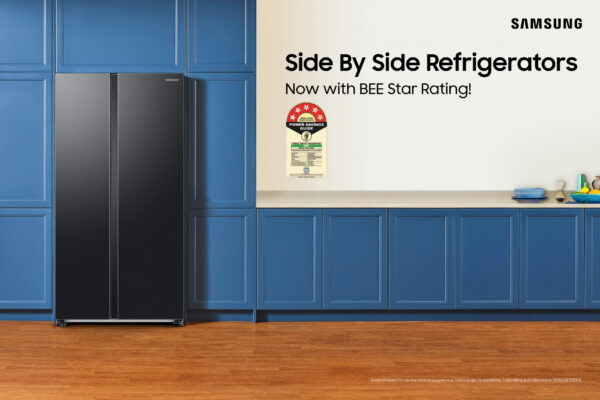
Samsung Becomes the First Brand to Get 5-Star Rating for Side-by-Side Refrigerator; Enables Lower CO2 Emission & Energy Savings
- The 5-Star rating suggests that Samsung Side-by-Side refrigerator emits 359kg less carbon every year as opposed to the 1-Star model
- The 5-Star rating also implies that consumers can save 444 kWh of electricity annually
GURUGRAM, India – August 25, 2023: Samsung, India’s No. 1 refrigerator brand, today announced that it became the first brand in India to receive a 5-Star rating by Bureau of Energy Efficiency (BEE) for its 653L Convertible 5-in-1 Side-by-Side refrigerator. The 5-Star rating indicates that consumers can save 444 kWh (Kilowatt-hour) electricity annually and the refrigerator emits 359 kg lesser carbon as compared to 1-Star rated models.
Besides the 5-Star rated Side-by-Side refrigerator, Samsung has received 3-Star rating for rest of the Convertible 5in1 Side-by-Side refrigerator models, making it India’s first complete star rated Side-by-Side refrigerator range in the category. The 3-Star rated refrigerators will help consumers save up to 259 kWh electricity annually while bringing down the carbon emissions by 210 kg per year as compared to 1-Star rated models.

The ‘Made in India’ Side-by-Side refrigerator range is Wi-Fi enabled and equipped with Smart Things app functionality. It comes with Convertible 5-in-1 mode for customizable storage space, Samsung’s Twin Cooling Plus™ technology for precise cooling and Curd Maestro™ that allows users to make curd at home in a healthy and hygienic way. To allow better space utilization, consumers can now detach the curd-making compartment, when it is not in use. This range also features IoT-enabled Family Hub 7.0 to offer unlimited entertainment and a connected living experience.
This range comes in stylish and classy BESPOKE Glass Finish colour options – Glam Deep Charcoal, Clean Navy, Clean White and Clean Pink – that go perfectly with the modern design taste of Indians.
“As the No. 1 refrigerator brand in India, we make continuous efforts to promote sustainability and energy efficiency while reducing carbon footprint for a better future. The energy efficiency ratings by BEE for our Side-by-Side refrigerator range is a testament to our commitment. Our Side-by-Side refrigerators have found great resonance among Indian consumers due to its outstanding aesthetic appeal. With the BEE ratings, we are confident that these refrigerators will interest more individuals who seek high-performing products that add value to their lives in more than one way,” said Saurabh Baishakhia, Senior Director, Digital Appliance Business, Samsung India
Price & Availability
Priced at INR 110,890 onwards, the line-up is available across offline and online retailers, in 653L net capacity.
Warranty
The new line-up comes with a 20-year compressor warranty on its compressor, thereby offering promising durability of the product and in turn, providing consumers with complete peace of mind.
Key Features of Side-by-Side refrigerators
Convertible 5-in-1 mode
The feature offers consumers more storage space and convenience by allowing them to choose from the five modes – Normal, Seasonal, Extra Fridge, Vacation and Home Alone. In the normal mode, the refrigerator will have both fridge and freezer mode, in both Home Alone and Vacation modes, the refrigerator will only have the freezer running while the fridge will be turned off. On days, when one wants more storage space, the feature allows consumers to convert their freezer into fridge, thus giving more storage space.
The Twin Cooling Plus™ technology in this feature works with two separate evaporators for fridge and freezer to minimise temperature fluctuation. This innovation adds a new level of convenience, making it possible to control optimal humidity and temperature that prevents odour mixing and ensures freshness of food for a longer duration.
Family Hub 7.0
The Family Hub 7.0 feature provides efficient food management by suggesting meal ideas to its users and giving a view of what’s stored inside the refrigerator, among others. Consumers can also play their favourite music using Spotify, TuneIn and can simply enjoy their favourite web services without other devices. To ensure unlimited family fun, the feature also offers an analogue bulletin-board that curates precious family moments by video, photos, and memos. For users to enjoy seamless connected living and turn their home smarter, this feature lets them control their smart appliances and IoT enabled devices via SmartThings App.
AI Energy Savings mode
With this mode activated, consumers can easily meet their monthly electricity cost target by optimising fridge and freezer temperatures. The feature uses artificial intelligence to understand the usage pattern and set the temperature accordingly, thus ensuring energy efficiency in the process.
Curd Maestro+
The Side-by-Side refrigerator range comes with Samsung’s patented Curd Maestro™ technology that allows users to make curd at home in a healthy and hygienic way. However, taking the experience, the 2023 range comes with a detachable Curd Maestro+ that users can remove as per their convenience.
BESPOKE & Auto Open Door
From a design perspective, the line-up comes with BESPOKE’s Glass Finish panels, thus making the range of products glamorous. Keeping in mind the challenges in Indian cooking, the 2023 range comes with another interesting feature — Auto Open Door that uses ‘touch sensor’ and opens the door. Therefore, in case of dirty hands, consumers can simply keep their hand on the door sensor and it will open.
Non-plumbing Dispenser
The refrigerator comes with a 4.5L water tank for its non-plumbing ice and water dispenser. This feature makes the refrigerator easy to install at any location without being connected to a water supply. Consumers simply need to add mineral or fresh water to enjoy chilled drinks or ice or crushed ice without installing a separate water filter.
Wi-Fi Enabled
To help consumers enjoy a seamless and superior connected living experience, the Side-by-Side Refrigerator range facilitates control using SmartThings app, thanks to being Wi-Fi enabled.
About Samsung Electronics Co., Ltd.
Samsung inspires the world and shapes the future with transformative ideas and technologies. The company is redefining the worlds of TVs, smartphones, wearable devices, tablets, digital appliances, network systems and memory, system LSI, foundry, and LED solutions. For latest news on Samsung India, please visit Samsung India Newsroom at http://news.samsung.com/in. For Hindi, log on to Samsung Newsroom Bharat at https://news.samsung.com/bharat. You can also follow us on Twitter @SamsungNewsIN

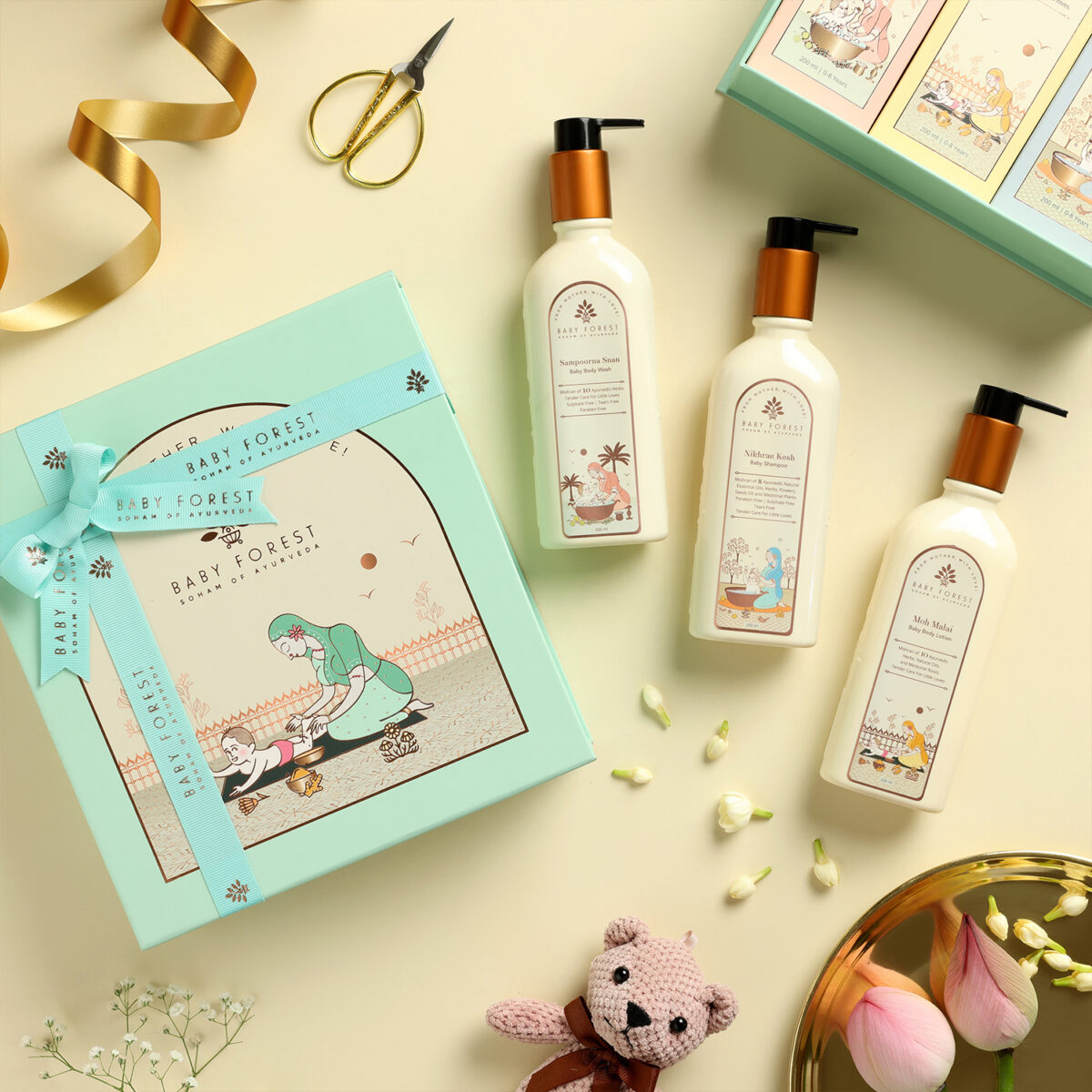
India’s leading luxury Ayurvedic baby care brand, to share a thoughtful gifting option for your upcoming Raksha Bandhan stories and festive gift guides.
Instagram: https://www.instagram.com/babyforestayurveda/
Website: https://www.babyforest.in/
With Raksha Bandhan around the corner, Baby Forest’s Maasoom Petika makes for a thoughtful gift for a little one celebrating their first Rakhi, bringing together Ayurvedic-inspired baby care essentials designed around everyday rituals of nourishment, care and love.
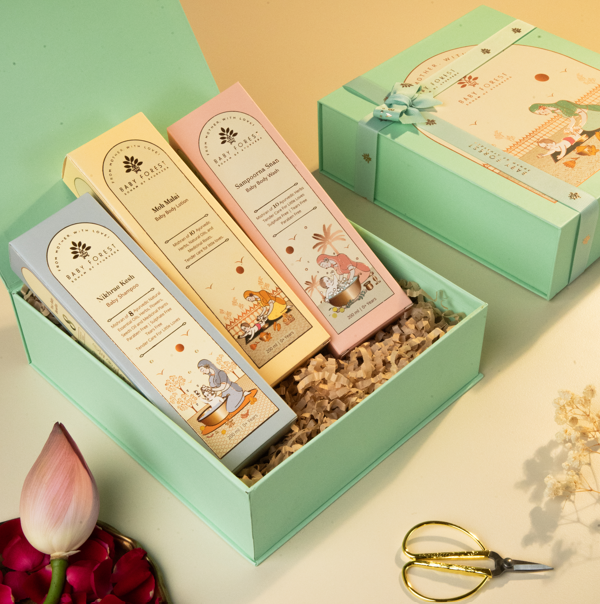
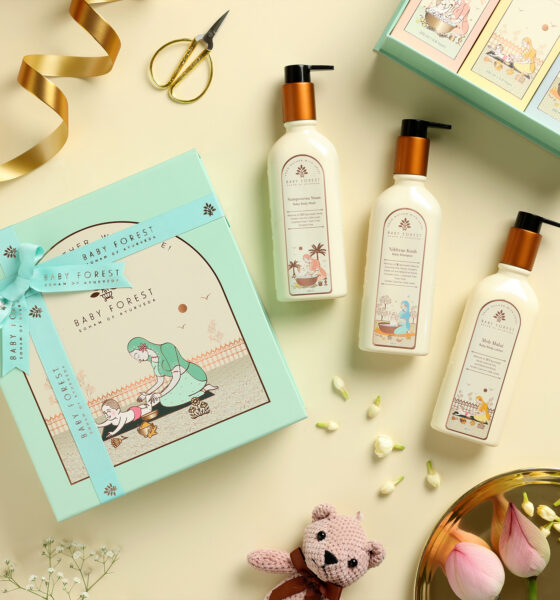
Designed as a thoughtfully curated baby-care gift box, Maasoom Petika brings together gentle, Ayurveda-inspired essentials for a little one’s everyday care. The gifting box is available in different combinations, allowing families to choose a care ritual suited to their needs.
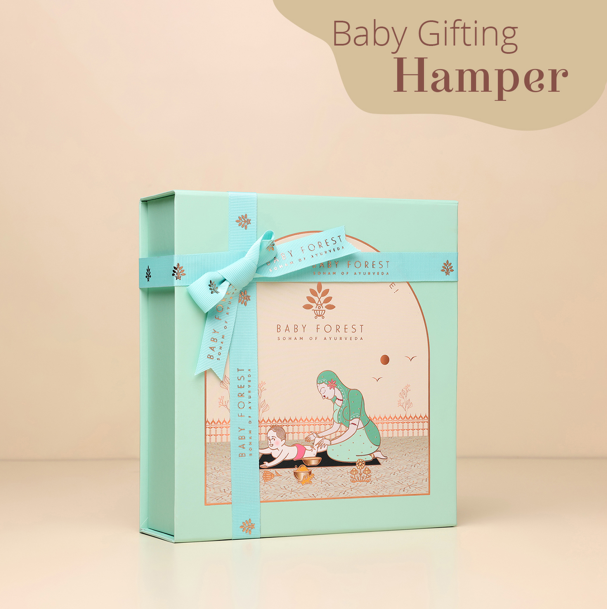
The Maasoom Petika range includes:
Bath & Body Care Combo
- Moh Malai Baby Body Lotion – a nourishing lotion designed to hydrate delicate baby skin
- Sampoorna Snan Baby Body Wash – a gentle cleansing formula
- Nikhrae Kesh Baby Shampoo – a natural, protein-rich shampoo formulated to nourish and moisturise the scalp
The formulations are inspired by Ayurveda and use nature-derived ingredients, with Baby Forest highlighting plant-based formulations, cruelty-free practices and products made without harsh chemicals and artificial fragrances.
For Raksha Bandhan, the Maasoom Petika can be positioned as a gift of care for the youngest member of the family, making it a lovely addition to festive gifting guides focused on babies, siblings, new parents and family celebrations.
We would love to explore an editorial feature around Baby Forest’s Maasoom Petika, spotlighting it as a thoughtful gifting option for a little one’s first Rakhi and celebrating the beautiful bond of care, love and nurturing that makes the occasion special.
About Baby Forest:
Rooted in the sixth branch of Ayurveda – Kaumar Bhritya (Pediatric Health Care), Baby Forest is a luxury baby care brand offering the best of nature with its all-natural ingredients. It is dedicated to ensuring every baby enjoys the benefits of a forest, where Ayurveda was born and where natural, organic, and nourishing solutions reside.
Website:babyforest.in
Instagram: @babyforestayurveda
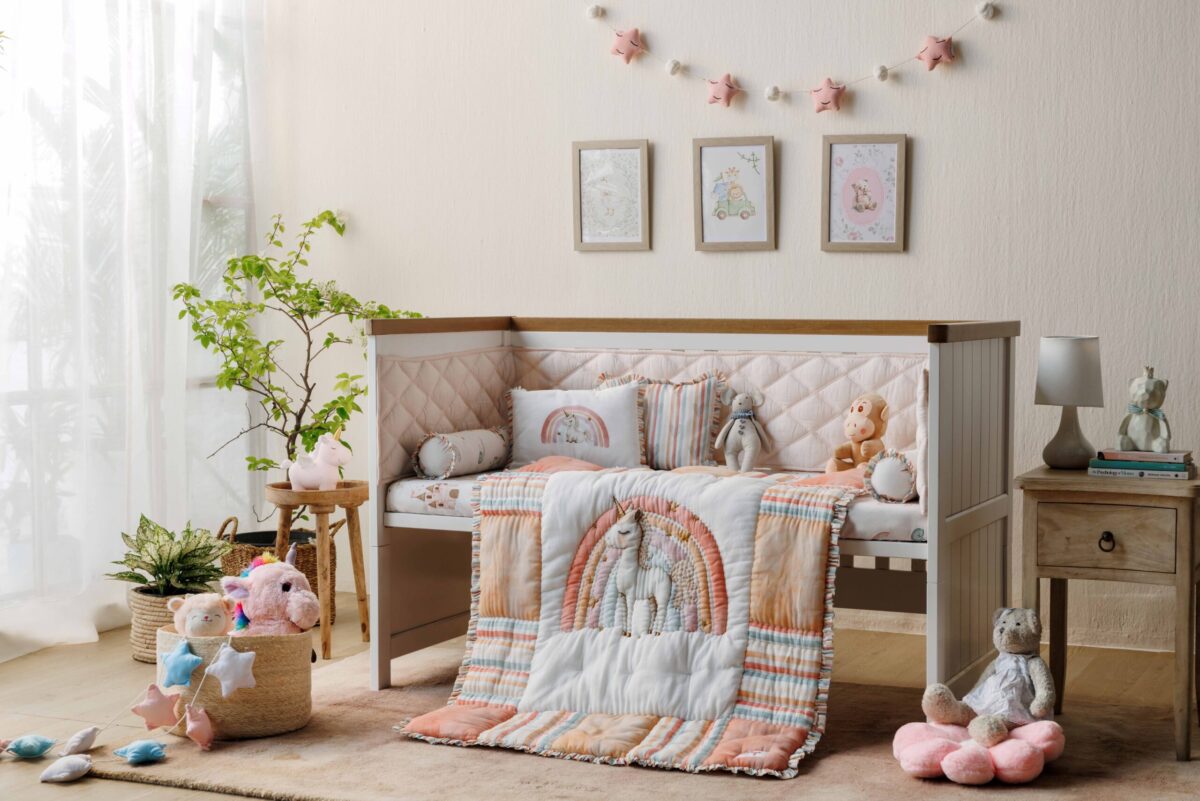
Long before children learn to read stories, they learn to live inside them. MiRooh’s latest Cosmic Candy Collection brings that idea to life through playful bedding and soft furnishings designed to turn bedrooms into miniature dreamscapes.
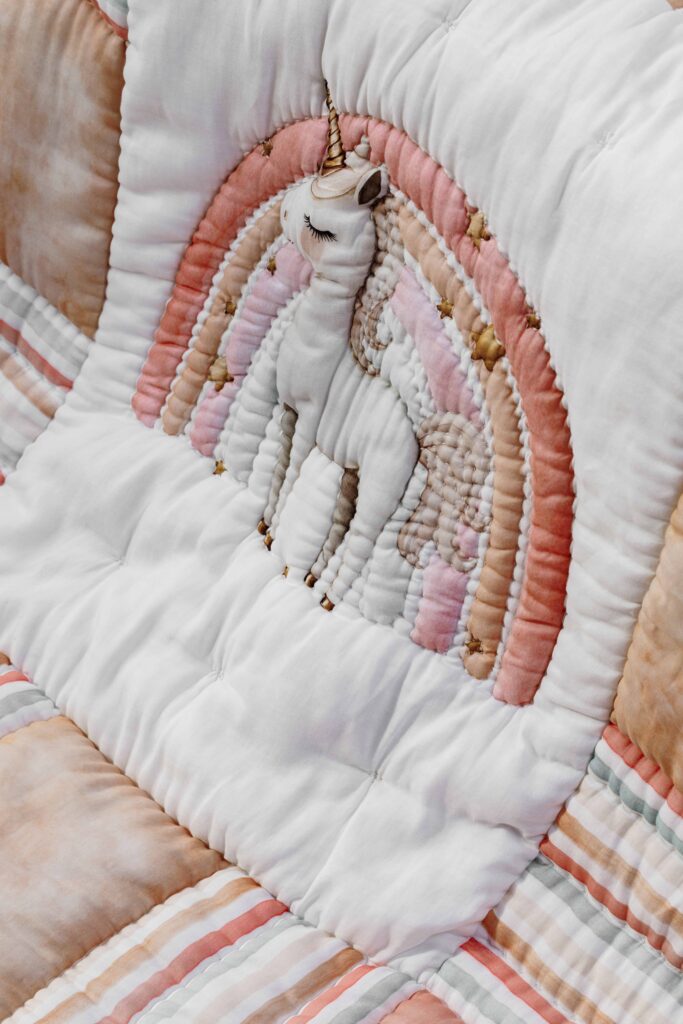
Crafted in soothing pastel tones of blush pink, soft peach, ivory and muted aqua, the collection combines visual warmth with thoughtful detailing. Quilted bedding, embroidered cushions, ruffled borders and coordinated bolsters come together to create an environment that feels comforting, playful and inviting.
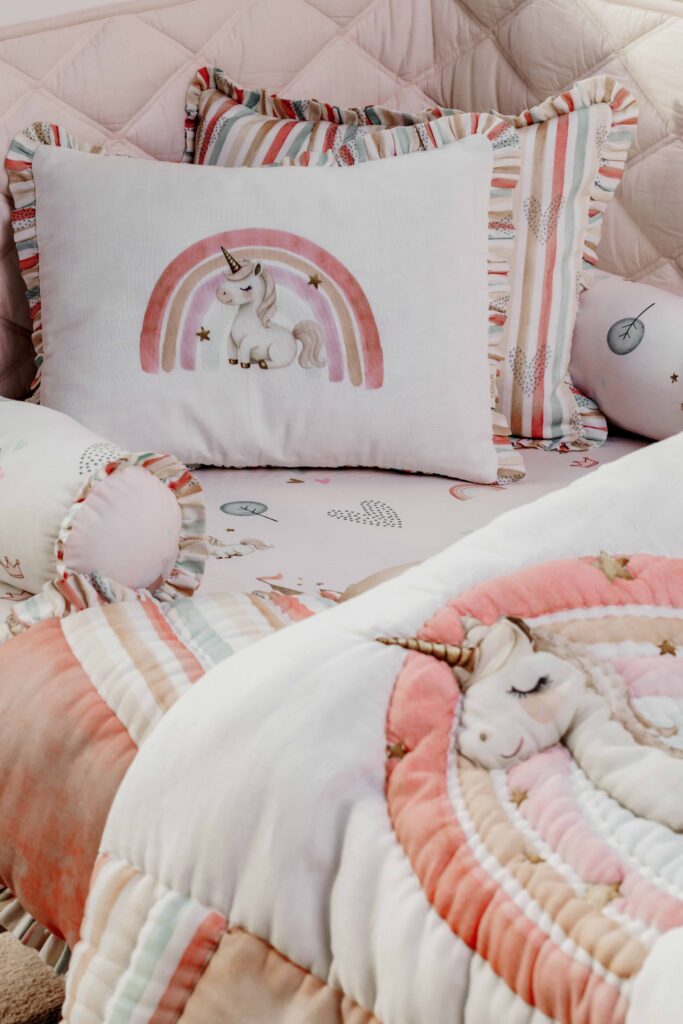
At the heart of the collection is a whimsical narrative designed to encourage imagination. Delicate illustrations of unicorns beneath rainbow arches, scattered stars, tiny crowns and dreamlike motifs appear across quilts, cushions and bed linen. The designs are playful without being overwhelming, allowing the room to feel calm while still capturing a child’s sense of wonder.
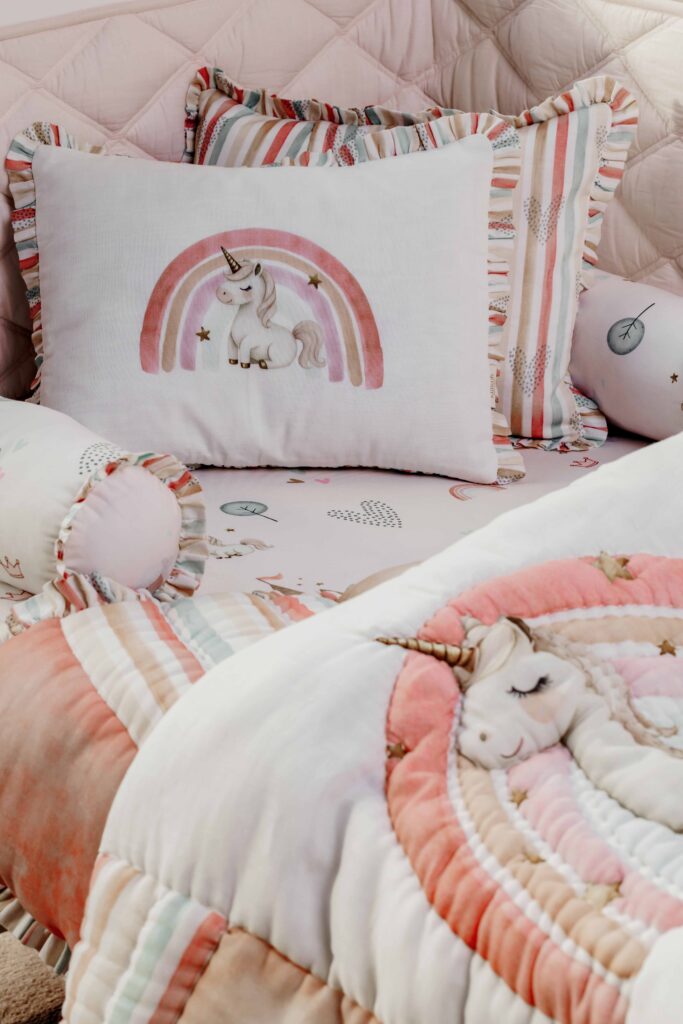
Made from soft, skin-friendly fabrics, each piece has been designed with comfort as carefully considered as aesthetics. Gentle textures, quilted surfaces and plush detailing create a cocoon-like setting that supports rest, play and quiet moments alike.
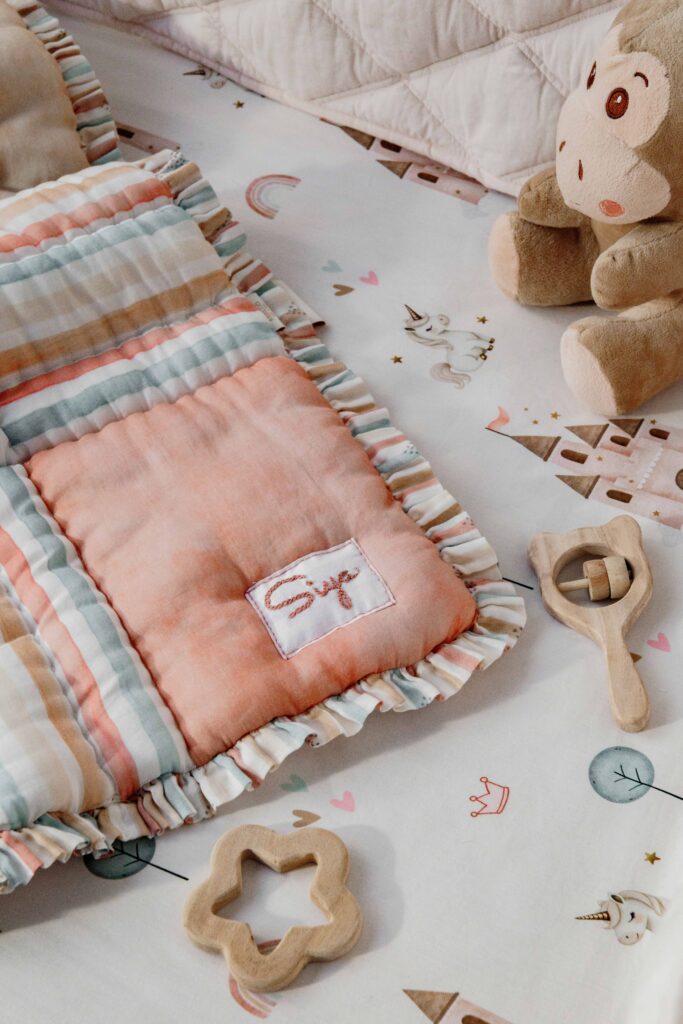
The Cosmic Candy collection reflects a growing shift towards thoughtfully designed children’s interiors, where furniture and furnishings contribute to a nurturing environment while maintaining a refined visual language that parents appreciate.
With this launch, MiRooh extends its design philosophy into the world of children’s spaces, creating pieces that are as memorable as they are functional. The result is a collection that celebrates childhood through craftsmanship, storytelling and comfort.
About us
MiRooh, loosely translated as “my soul,” was created out of a deep love for and resurrection of craft and attempts to popularize traditional methods. MiRooh was developed as a tribute to India’s rich cultural legacy by designers and textile specialists, with more than 40 years of combined experience. Masterful items that sit opulently in the homes of those with sophisticated tastes are the result of the fusion of influences from all around the nation.
Every series emphasizes high quality and distinctive craftsmanship. Each piece is made of gorgeous natural handwoven fabrics that are acquired from all around India; even the yarn is hand-selected and meticulously coloured. Mirooh has supplied reputable brands with flawless items all around the world.
Tradition and technique take center stage with experienced hands that turn the creative into technical with elegant embroideries and delicate patterns. To the brand, commitment to quality is of paramount importance. Perfection with every piece is their motto and with every piece the caliber of our commitment is solidified. From concept to creation, each collection is carefully researched with references to period, resources, mood boarding and ideating.
AVAILABILITY
Website: https://mirooh.in/
Instagram: @mirooh.in
Email: Info@mirooh.in
Phone: +91 9871833333

A Distinctive Ceramic Sculpture from its New Collection
The Great Eastern Home continues to celebrate timeless artistry and exceptional craftsmanship with The Stallion, one of the most distinctive pieces from its newly launched ceramic collection. Handmade by skilled artisans at The Great Eastern Home’s workshop and glazed in-house, this sculptural creation reflects the brand’s commitment to preserving artisanal heritage while continuously redefining contemporary design possibilities.
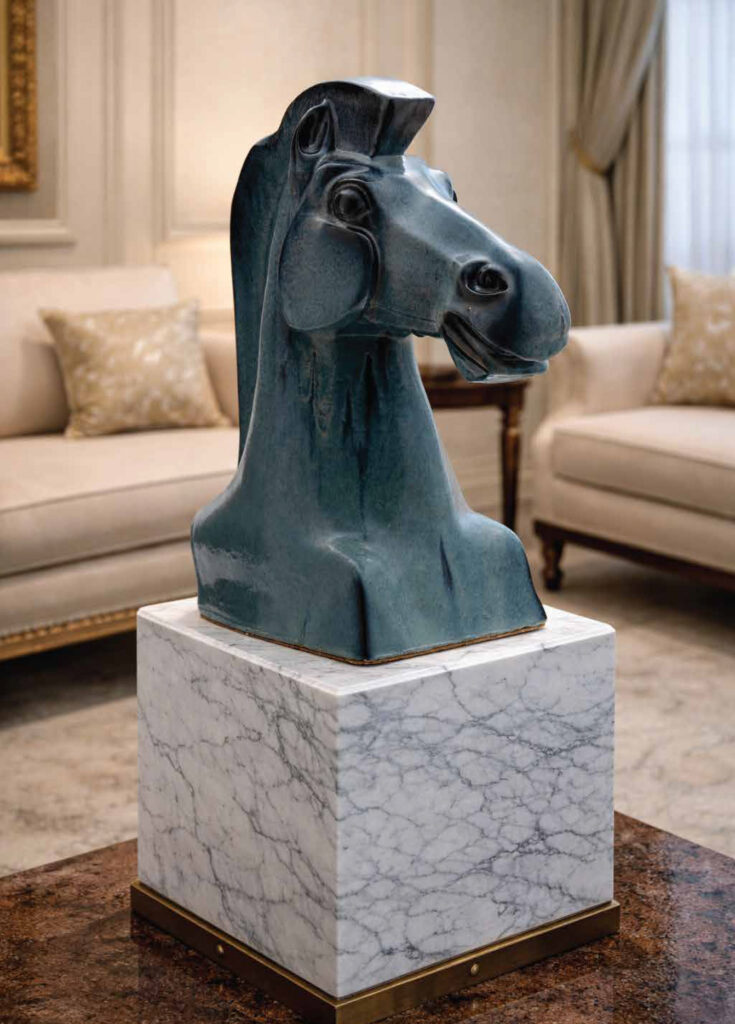
Inspired by the grace and power of the horse, The Stallion captures the animal in its most regal and dignified stance. The sculpture beautifully highlights the fluid transition from the curve of the neck into the sculpted head, before sharpening into a strong, commanding jawline. Every contour is carefully shaped to convey movement, strength, and elegance, resulting in a piece that feels both artistic and deeply expressive.

Its rich, oceanic glaze further elevates the sculpture’s character. Flowing between tones of indigo, verdigris, and midnight black, the finish catches light differently from every angle, creating remarkable depth and visual intrigue. The constantly shifting tones lend the piece an almost living presence, making it a striking focal point within any interior setting.
Entirely handcrafted, no two pieces of The Stallion are ever identical, making each sculpture truly one of a kind. More than a decorative object, it stands as a collectible work of art that embodies craftsmanship, individuality, and timeless sophistication.
Price: On Request
Website: http://www.thegreateasternhome.com/
Instagram: The Great Eastern Home

Baby Forest Maasoom Petika: A Thoughtful Ayurvedic Baby Care Gift for First Raksha Bandhan

Birla Cellulose’s Handloom Initiative Brings New Possibilities for Traditional Weaving

EAW Global Aqua Expo 2026 Inaugurated at Bharat Mandapam; Water Leaders Convene to Shape India’s Water Future






An Evening of Healing, Hope, and Humanity: The Healing Brush Unveiled at Delhi Golf Club

Meltdown Proof: How to Protect Your Skin from India’s Ultimate Summer

Baby Care Essentials Every Parent Needs This Summer

Star-Studded Premiere of Bharat Bhagya Vidhat

Beyond Silence: A Smarter Way to Meditate

Masters of the Universe Review: A Triumphant Return to Eternia

 Events8 years ago
Vandy Mehra & Dr. Sanjana Jon hosted a fashionable evening

 Celebrities2 years ago
VOGUE EYEWEAR UNVEILS ‘KEEP PLAYING’, AN EFFERVESCENT CAMPAIGN WITH BRAND AMBASSADOR

 Lifestyle2 years ago
Aza Fashions Launches Flagship Store in Dhan Mill, New Delhi

 Celebrities2 years ago
Sony AATH is premiering the 4th Gopal Bhar movie titled ‘Gopaler Buddhi

 Business9 years ago
Uber and Lyft are finally available in all of New York State

 Health & Beauty2 years ago
The Face Shop Unveils the Vitamin Lip Sleeping Mask: A Revolution in Lip Care

 Celebrities2 years ago
Appu gives meaningful message in country’s first 4K animated

 Lifestyle2 years ago
2025 Numerology Predictions by Tarot Reader Sangeeta Walia