
Travel
Exploring Gujarat: A Journey Through Culture, Cuisine, and Coastlines

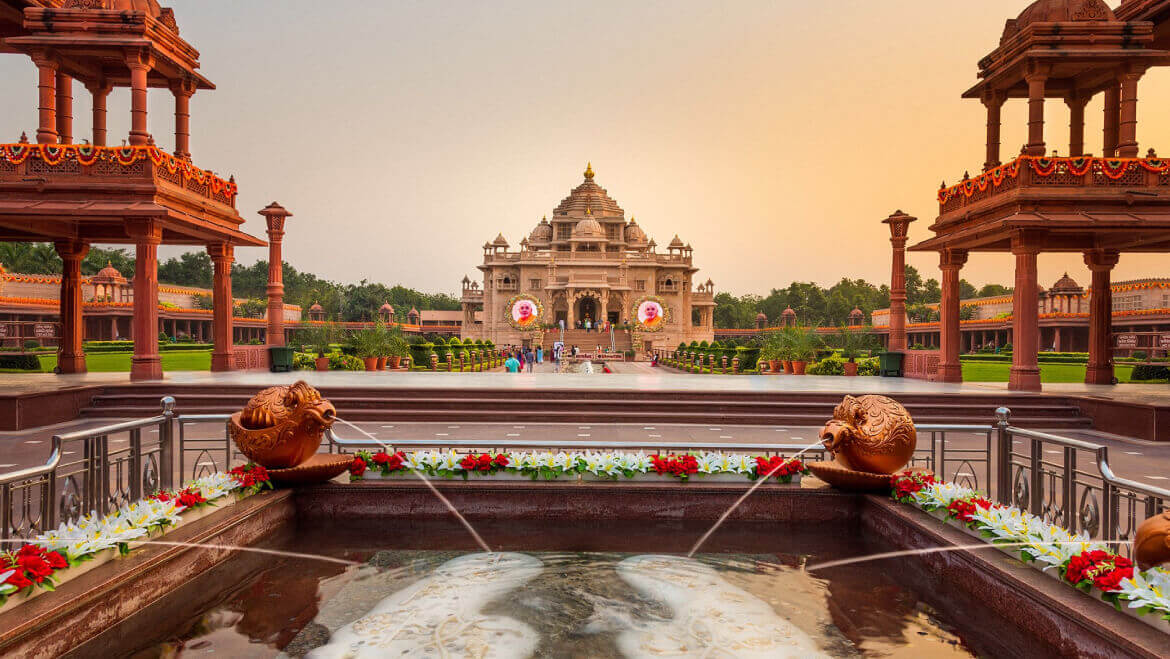
Gujarat, often called the land of legends, is a treasure trove of culture, history, and natural beauty. From vibrant cities steeped in heritage to serene beaches and the wild savannahs of Gir, this western Indian state offers an unforgettable travel experience. Recently, I embarked on a week-long road trip across Gujarat, exploring its diverse attractions, tasting its legendary cuisine, and soaking in the local traditions. Here’s a detailed account of my journey, including places visited, experiences, expenses, and travel tips.
Ahmedabad: A City of Heritage and Vibrance
Our journey began in Ahmedabad, Gujarat’s largest city, famous for its rich culture and textile history. The Sabarmati Riverfront is a must-visit, offering peaceful walks along landscaped paths and stunning views of the river. History buffs will love the Calico Museum of Textiles, showcasing exquisite handwoven fabrics dating back centuries. For a spiritual touch, the Swaminarayan Temple and Jama Masjid are architectural marvels.
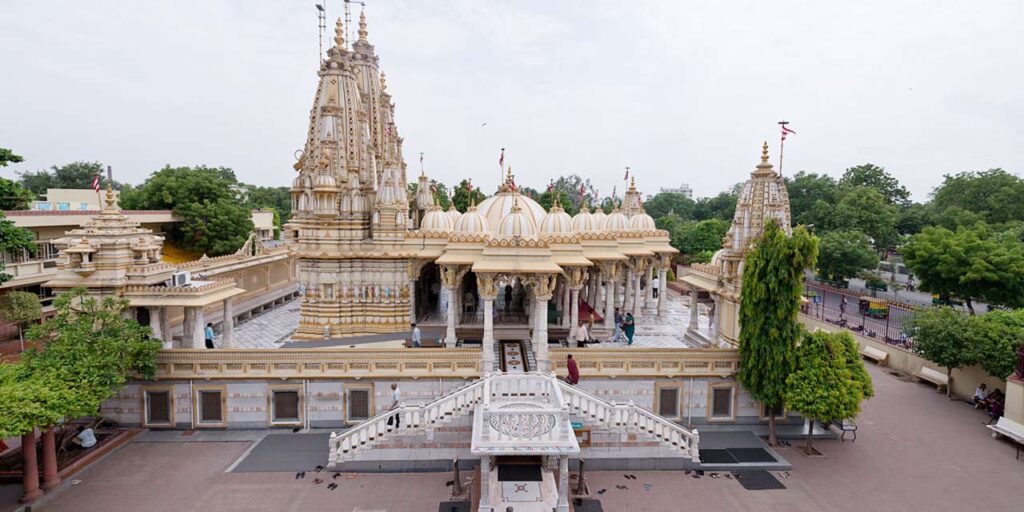
Food in Ahmedabad is a culinary delight. From street-side Manek Chowk to upscale eateries, I indulged in Gujarati thali, dhokla, fafda-jalebi, and the ever-popular undhiyu. The Average food expenses here ranged from ₹200 to ₹600 per person, depending on where you ate.
Accommodation in Ahmedabad is plentiful, from budget hotels around ₹1,200/night to luxury stays around ₹5,000–₹6,000/night.
Bhuj and Kutch: The White Desert and Handicraft Paradise
Next, we drove to Bhuj and the Rann of Kutch, approximately 8–10 hours by car from Ahmedabad. The Rann of Kutch is a surreal expanse of white salt desert, best visited at sunrise or sunset. If you travel during the Rann Utsav (Nov–Feb), the festival brings music, dance, handicrafts, and local delicacies to life.
Nearby villages like Bhujodi and Ajrakhpur are hubs for traditional weaving and block printing. I bought handwoven shawls, leather sandals, and pottery souvenirs at reasonable prices—usually ₹500–₹2,000 depending on the item.
Traveling by car gives flexibility; petrol expenses for Ahmedabad–Bhuj–Rann were around ₹3,000–₹4,000 for a round trip. Local stay in Bhuj ranged from ₹1,500–₹4,000 per night, with guesthouses providing authentic local experiences.
Dwarka and Somnath: Spiritual Coastal Gems
Heading southwest, we reached the coastal towns of Dwarka and Somnath. Dwarka, one of the four sacred Hindu pilgrimage sites, is home to the magnificent Dwarkadhish Temple. Watching the evening aarti by the sea was a deeply spiritual experience.
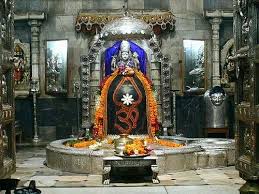
Somnath, famous for the Somnath Jyotirlinga Temple, is a blend of devotion and scenic beauty. The temple’s oceanfront location adds a serene backdrop to the spiritual vibes. Coastal Gujarati cuisine, particularly seafood thalis and local snacks like khakhra and fafda, were highlights. Daily food expenses in these towns ranged from ₹250 to ₹500 per person.
Gir National Park: Home of the Asiatic Lion
No Gujarat trip is complete without a visit to Gir National Park, the only home of the Asiatic lion. We booked an early morning safari through the park, spotting lions, leopards, jackals, and over 300 bird species. Safari fees range from ₹1,600–₹3,000 per vehicle, depending on the time of year.
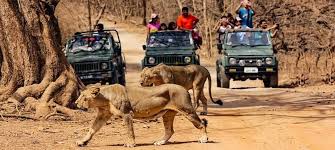
Accommodations near Gir include jungle lodges and resorts, costing ₹2,500–₹6,000 per night. The experience of waking up to the sounds of the forest and exploring wildlife on a guided jeep safari was priceless.
Food and Travel Expenses Overview
- Petrol / Car Rental: ₹6,000–₹8,000 for the entire trip (approx. 1,500–2,000 km)
- Food: ₹200–₹600 per person per meal
- Accommodation: ₹1,200–₹6,000 per night, depending on preference
- Attractions / Entry Fees: ₹500–₹3,000 (museums, temples, safari)
- Souvenirs & Shopping: ₹500–₹2,000 depending on purchases
Overall, a comfortable 7–8 day trip for two people could range between ₹40,000–₹60,000, covering car, food, stay, and sightseeing.
Travel Tips for Gujarat
- Best Time to Visit: October to March (pleasant weather, perfect for desert and wildlife visits).
- Car Travel: Self-drive or cab rental is ideal for flexibility, especially for Kutch and Gir.
- Local Delicacies: Don’t miss Gujarati thali, dhokla, undhiyu, khakhra, and coastal seafood.
- Cultural Etiquette: Dress modestly in temples, respect local customs, and seek permission before photography in villages.
- Plan Ahead: Pre-book safari tickets for Gir and accommodation during Rann Utsav for hassle-free travel.
Final Thoughts
Gujarat is a land of contrasts—arid deserts, serene coastlines, bustling cities, and wildlife sanctuaries. Every stop offers a unique story, from centuries-old temples to colorful handicrafts and culinary delights. Whether you are a history enthusiast, a nature lover, or a food explorer, Gujarat promises an unforgettable journey.
Driving through its roads, tasting local flavors, and witnessing the blend of tradition and modernity left me with memories that will last a lifetime. This state is not just a destination; it’s an experience that engages all senses and hearts alike.


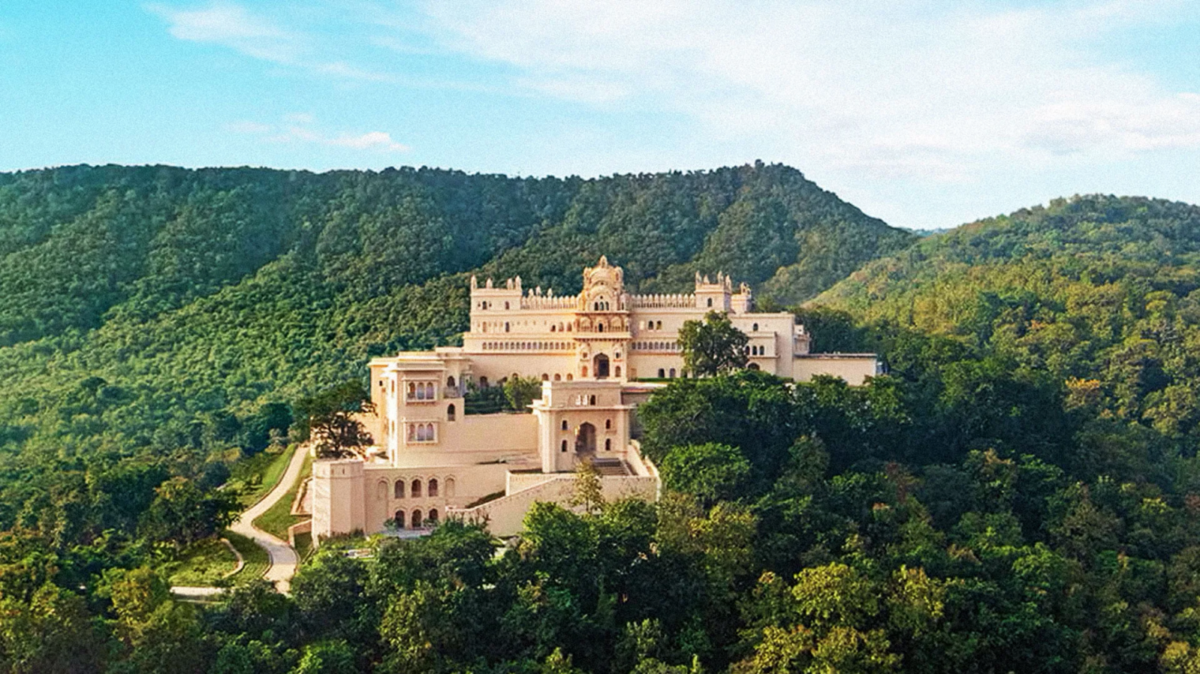
Northern India is a vast, many-layered experience, where grandeur unfolds across landscapes, cultures, and light. The Himalayas rise in solemn beauty, their snow-bright ridges and pine-clad slopes imparting quiet nobility, while ancient cities pulse with memory, colour, and movement temple bells, market chatter, and evening aarti echoing through time-worn streets.
This realm of exquisite contrasts mountain and plain, lake and desert, citadel and bazaar invites travel not as haste, but as lingering surrender to moods, histories, and civilisation’s textures.
Kashmir refines the air with altitude and stillness, valleys like silk paintings of lakes, orchards, and peaks. Uttarakhand’s sacred hills cradle Rishikesh, Haridwar, and the Ganges’ source, with ancient ashrams and ghats alive for millennia. Ladakh’s monasteries perch on cliffs, guarding Tibetan Buddhist lore amid starlit vastness.
Southward, Udaipur’s lakes and pale palaces echo Mewar rajas’ chivalry. Shimla’s Raj-era ridges overlook cedar forests of British hill-station reverie. The desert frontier dazzles: Jaisalmer’s honey-gold fort mirages from sands of Rajput valour; Jaipur’s pink bastions and havelis evoke princely intrigue. Yamuna mists; Varanasi’s ghats burn with aeons of Hindu devotion.
Why linger on Northern India at all? Because this is where luxury reshapes the very quality of travel. What follows is not merely a list but a curated selection of exceptional stays/hotels, and retreats designed to elevate experience into something far more enduring.
The Westin Resort & Spa, Himalayas
Perched above the hushed valley of Rishikesh, The Westin Resort & Spa, Himalayas, The property unfolds in soft gradients of stone and glass, where expansive balconies open to mist-laced hills and the air carries a certain unspoken calm. Days here dissolve into slow rituals—an infinity pool that seems to spill into the valley, measured spa indulgences, and an atmosphere that feels deliberately removed from urgency.Nestled in Narendra Nagar, Tehri Garhwal, Uttarakhand 249175, India.
Glamping Tales by the Riverside – Luxury Geodesic Domes Tents – Tent
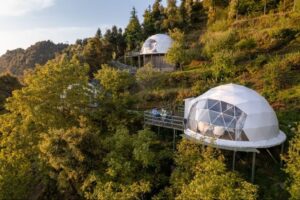
Set along the quieter stretches near Rishikesh, Glamping Tales by the Riverside offers a more intimate, almost whimsical take on luxury. The geodesic domes—transparent, softly lit, and thoughtfully styled—create an atmosphere where comfort meets the rawness of nature without surrendering to it. Evenings are steeped in a gentle glow of fairy lights and riverside hush, while mornings arrive filtered through curved glass and drifting mist. Nestled at Neelkanth Temple Road, Mohan Chatti, Rishikesh, Uttarakhand 249304, India
Radisson Blu Udaipur Palace Resort
Set against the tranquil expanse of Fateh Sagar Lake, Radisson Blu Udaipur Palace Resort & Spa leans into a more theatrical expression of luxury—arched façades, expansive courtyards, and a scale that feels deliberately grand. The atmosphere is one of curated indulgence rather than quiet restraint; evenings shimmer by the poolside, while the lake glints just beyond, lending the entire property a softly cinematic quality. Nestled at B-1, Ambamata Scheme, Udaipur, Rajasthan 313001, India
Aurika, Udaipur – Luxury by Lemon Tree Hotels

Perched atop a secluded hill in the City of Lakes, Aurika, Udaipur – Luxury by Lemon Tree Hotels unfolds with a certain architectural grandeur—terraced courtyards, sweeping stairways, and gilded interiors that echo a modern interpretation of royal living. The atmosphere carries a composed opulence, where panoramic views stretch across Udaipur and the stillness feels almost curated. It is expansive rather than intimate, indulgent without being ostentatious—luxury expressed through scale, symmetry, and a quiet sense of elevation. Nestled at 01, Kala Rohi, Sisarma, Udaipur, Rajasthan 313001, India.
Taj hari mahal, Jhodhpur
Set within six acres of manicured gardens in the Blue City, Taj Hari Mahal, Jodhpur evokes the quiet grandeur of a bygone court—arched corridors, domed silhouettes, and intricately worked jharokhas lending it the air of a reimagined palace. The atmosphere is richly layered rather than ostentatious, where fountains murmur through courtyards and interiors are adorned with miniature art and jewel-toned accents. Nestled in 5, Residency Road, Ratanada, Jodhpur, Rajasthan 342001, India.
The Khyber Himalayan Resort & Spa
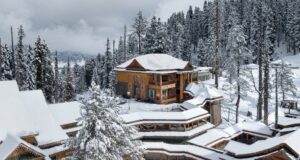
Perched amidst pine forests with the Apharwat peaks rising beyond, The Khyber Himalayan Resort & Spa embodies a colder, more restrained form of luxury. Dark woods, muted interiors, and vast windows create a setting where the outside world—snow, mist, silence—becomes part of the design itself. It is indulgence, yes, but tempered with stillness; the kind that feels almost introspective. Nestled in Gulmarg, Baramulla, Jammu & Kashmir 193403, India.
The Kyagar, Ladakh
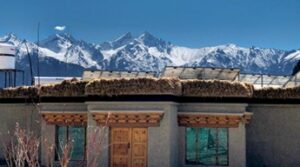
Set against the stark, almost otherworldly terrain of Ladakh, The Kyagar offers a pared-back, contemporary take on mountain luxury. Clean lines, muted palettes, and expansive glass frames allow the raw drama of the landscape to take precedence—this is not a place that competes with its surroundings, but one that quietly yields to them. The experience is intimate and deliberate, where silence feels vast and the air itself becomes part of the indulgence. Nestled at Kyagar Village, Nubra Valley, Ladakh 194401, India.
The Baradari Palace – 19th Century, Patiala
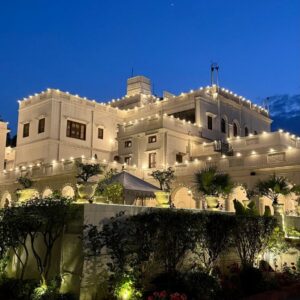
Set within the historic Baradari Gardens, The Baradari Palace in Patiala carries the quiet weight of the 19th century—arched verandahs, high ceilings, and corridors that echo with a certain restrained grandeur. Now restored under the Neemrana group, it does not chase modern excess; instead, it leans into its past, offering a stay that feels gently suspended in time. Nestled in Baradari Gardens, Patiala, Punjab 147001, India.

Rapido, best known for its bike taxi and auto services, has now stepped into the food delivery segment—aiming to disrupt an already competitive market dominated by giants like Zomato and Swiggy. With a strong presence in last-mile connectivity and a wide fleet of two-wheelers, Rapido is leveraging its strengths to offer fast and cost-effective food delivery services.
What Sets Rapido Food Delivery Apart?
One of Rapido’s biggest advantages is its robust rider network, already operating in over 100 cities. By integrating food delivery into its existing infrastructure, the company is reducing delivery times and cutting operational costs. The focus is on hyperlocal deliveries, making it ideal for quick orders from nearby restaurants.
Unlike traditional platforms, Rapido may also offer more flexible pricing models and faster onboarding for local food outlets and small eateries, giving them a chance to increase visibility without high commission fees.
Tech-Driven Approach
Rapido is known for its tech-forward mindset. The food delivery arm is expected to utilize real-time tracking, AI-based routing, and customer-friendly features such as in-app chat support and scheduled deliveries. This can help enhance customer satisfaction while maintaining efficiency.
Competition and Challenges
While the move is strategic, the competition is fierce. Swiggy and Zomato have years of experience, deep market penetration, and loyal customer bases. Rapido’s success will depend on how well it can differentiate its service—whether through better delivery times, lower costs, or unique restaurant partnerships.
The Road Ahead
Rapido’s entry into food delivery reflects a broader trend where mobility and logistics startups are entering quick commerce. If executed well, Rapido could carve out a niche, especially in Tier 2 and Tier 3 cities where fast and affordable options are limited.
With growing demand for convenience and speed, Rapido’s foray into this space has the potential to reshape how consumers experience food delivery in India.
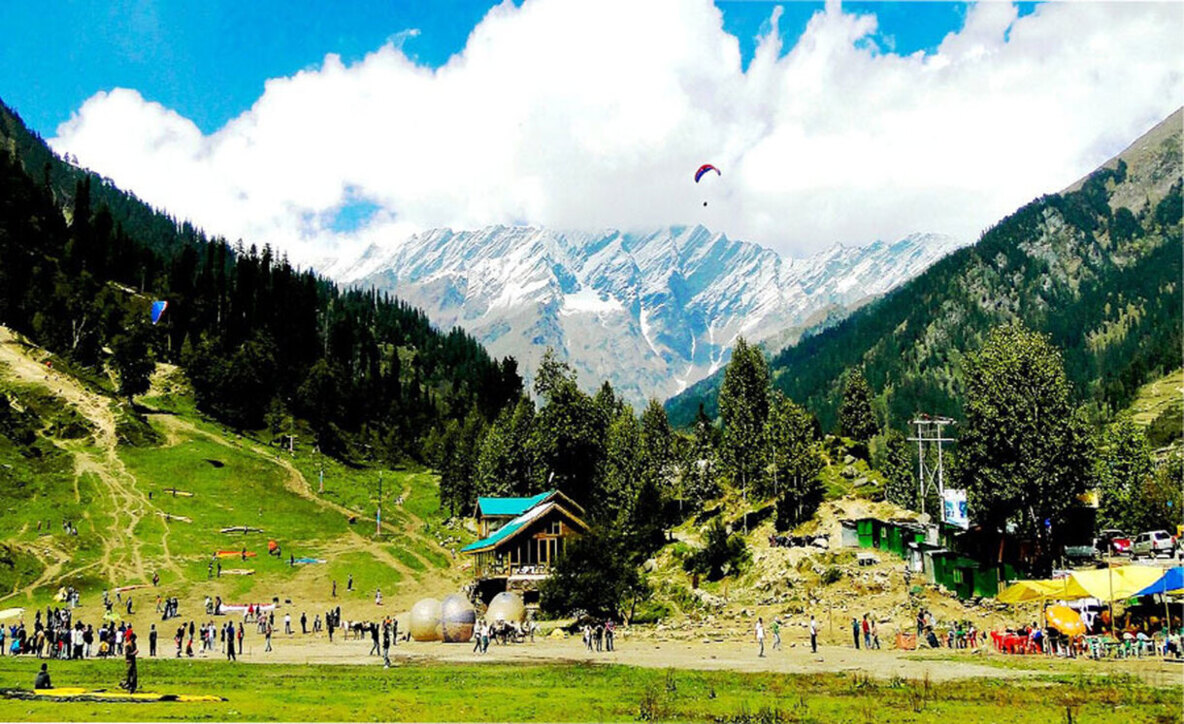
Manali, a lush green hill station in Himachal Pradesh, India, is a paradise for adventure seekers, nature lovers, and holidaymakers. While popular sites like Rohtang Pass and Solang Valley often steal the spotlight, there are several hidden gems waiting to be explored.
1. Gulaba Village – A Scenic Getaway
Located en route to Rohtang Pass, Gulaba village is a serene escape offering breathtaking views of snow-covered peaks and vast meadows. It serves as an ideal spot for hiking and trekking enthusiasts. Several homestays provide a peaceful retreat for travelers who prefer staying off the mainstream tourist trail.
2. Him Valley Amusement Park – Fun & Adventure
For an adrenaline rush, Him Valley Amusement Park is a must-visit. This park offers an array of exciting rides, including roller coasters, bumper cars, and a Ferris wheel. It also showcases the local culture and traditions, making it a unique blend of entertainment and heritage.
3. Nyingmapa Buddhist Temple – A Spiritual Retreat
For those seeking tranquility, the Nyingmapa Buddhist Temple is a hidden gem. The peaceful ambiance, vibrant murals, and an impressive Sakyamuni idol make it an ideal place to meditate and unwind. Located on the outskirts of Manali, this temple provides an enriching cultural experience away from the city’s hustle.
4. Jogini Waterfalls – A Mesmerizing Natural Escape
One of Manali’s most picturesque spots, Jogini Waterfalls, is located about 2 km from Vashisht Temple. A trek through rocky trails and dense forests leads to this enchanting waterfall. The lush surroundings and cascading waters make it a perfect picnic spot for families and nature lovers.
5. Wildlife & Nature in Manali
The region surrounding Manali is home to diverse flora and fauna. Towering silver birch and deodar trees create a peaceful environment where visitors can relax and enjoy a picnic. Wildlife enthusiasts may also spot monkeys, antelopes, and other animals in the surrounding forests.
6. Thrilling Adventure Activities
Manali is a haven for adventure sports lovers. Whether it’s white-water rafting in the Beas River, paragliding over Solang Valley, or mountain biking up to Snow Man Point, there’s no shortage of thrilling experiences to enjoy.
7. Best Places to Stay in Manali
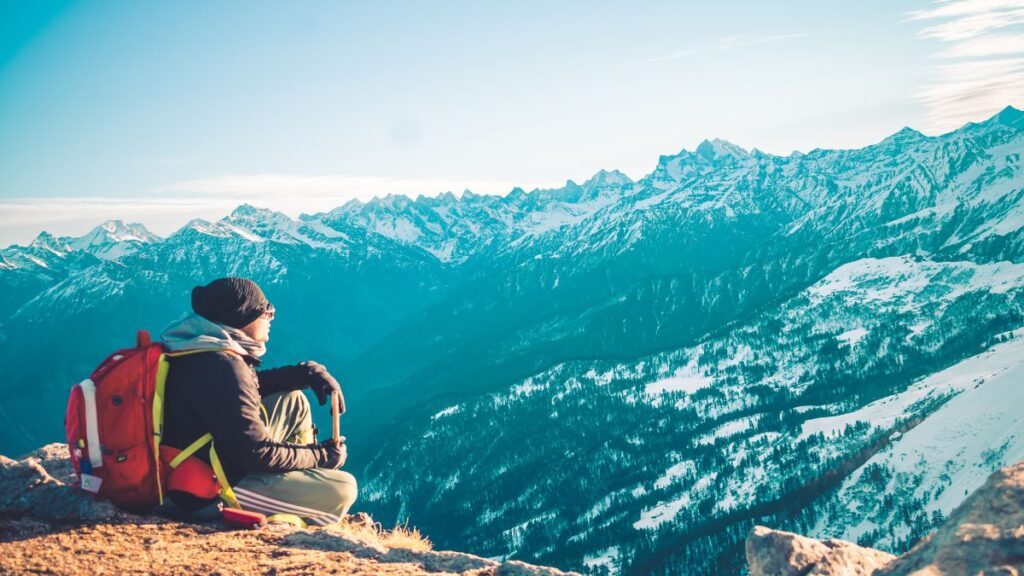
For a comfortable stay with breathtaking views of mountains or rivers, highly-rated hotels such as Holiday Heights and Sterling Manali are great choices. These accommodations are conveniently located near top attractions like Old Manali and Van Vihar National Park.
If you’re looking for luxury, Royal INN and The Grand Hotel Himachal offer premium services with modern amenities, including Wi-Fi, flat-screen TVs, and plush bedding. These hotels provide stunning views of the Beas River and the majestic snow-capped peaks.
Offbeat Places to Explore in Manali
Manali is a well-known tourist destination, but beyond the bustling markets and popular attractions, there are hidden gems that offer tranquility, adventure, and breathtaking landscapes. Here are some lesser-explored places you should visit:
1. Sethan Village
A secluded hamlet about 12 km from Manali, Sethan is a Buddhist settlement offering panoramic views of the Dhauladhar range. This village is a paradise for snow lovers in winter, with opportunities for skiing and experiencing igloo stays. The night sky here is a spectacle, making it a must-visit for stargazing enthusiasts.
2. Sissu
Located along the Manali-Leh Highway, Sissu is an untouched valley offering stunning views of glaciers, waterfalls, and lush greenery. The Sissu Waterfall is a major attraction, while the village itself provides insight into the Lahauli lifestyle. This spot is ideal for camping, trekking, and photography.
3. Naggar
A historical town 22 km from Manali, Naggar served as the capital of the Kullu Kingdom for over 1,400 years. It is home to the majestic Naggar Castle, which offers stunning views of the valley. The Roerich Art Gallery, dedicated to Russian painter Nicholas Roerich, is another highlight. The town’s old-world charm makes it perfect for a peaceful retreat.
4. Jana Village and Waterfall
This picturesque village is known for its apple orchards, traditional Himachali houses, and the stunning Jana Waterfall. A short trek through pine forests leads to the waterfall, where visitors can enjoy authentic Himachali cuisine at local dhabas.
5. Hamta Village
Lying on the route to the famous Hampta Pass trek, Hamta Village is a lesser-known spot offering breathtaking views of the valley. Surrounded by lush green meadows and snow-capped peaks, this village is ideal for those seeking solitude and a connection with nature.
6. Kothi Village
Situated at the base of Rohtang Pass, Kothi is a serene village offering panoramic views of the surrounding mountains and the Beas River. The village is a great spot for photographers and travelers looking for a peaceful escape.
7. Kais Monastery
A lesser-known Buddhist monastery near Kullu, Kais Monastery is a tranquil retreat surrounded by nature. It provides a peaceful atmosphere, making it an ideal place for meditation and spiritual reflection.
8. Malana
Famous for its distinct culture and traditions, Malana is a remote village known for its breathtaking scenery and unique way of life. Visitors can trek to Malana to experience the untouched beauty of the region while respecting the local customs.
9. Tirthan Valley
Although not directly in Manali, Tirthan Valley is a short drive away and offers a peaceful alternative to the crowded tourist spots. It is known for its pristine rivers, great trekking trails, and eco-friendly stays. The Great Himalayan National Park, a UNESCO World Heritage Site, is also nearby.
Plan Your Manali Getaway Today!
Step away from the crowds and uncover the hidden gems of Manali. Whether you seek adventure, relaxation, or cultural experiences, this charming hill station has something unique for every traveler. Pack your bags and explore Manali like never before!

Meltdown Proof: How to Protect Your Skin from India’s Ultimate Summer

Baby Care Essentials Every Parent Needs This Summer

Star-Studded Premiere of Bharat Bhagya Vidhat







Beyond Silence: A Smarter Way to Meditate

Masters of the Universe Review: A Triumphant Return to Eternia

MiRooh Introduces Cosmic Candy Collection That Turns Bedrooms into Storybooks

The Great Eastern Home Presents The Stallion

Sound to Silhouette: A History of Mutual Influence

The AI tools serious creators are quietly building empires with — and nobody is talking about

 Events7 years ago
Vandy Mehra & Dr. Sanjana Jon hosted a fashionable evening

 Celebrities2 years ago
VOGUE EYEWEAR UNVEILS ‘KEEP PLAYING’, AN EFFERVESCENT CAMPAIGN WITH BRAND AMBASSADOR

 Celebrities2 years ago
Sony AATH is premiering the 4th Gopal Bhar movie titled ‘Gopaler Buddhi

 Lifestyle1 year ago
Aza Fashions Launches Flagship Store in Dhan Mill, New Delhi

 Business9 years ago
Uber and Lyft are finally available in all of New York State

 Health & Beauty2 years ago
The Face Shop Unveils the Vitamin Lip Sleeping Mask: A Revolution in Lip Care

 Celebrities2 years ago
Appu gives meaningful message in country’s first 4K animated

 Lifestyle1 year ago
2025 Numerology Predictions by Tarot Reader Sangeeta Walia