
Health & Beauty
The Power of Movement: Why Regular Exercise is the Key to a Healthier Life


In today’s fast-paced world, staying active often takes a backseat to busy schedules and digital distractions. However, fitness and exercise are more than just ways to achieve a toned body—they are essential to overall health, mental well-being, and longevity.
🌟 Why Fitness Matters
Regular exercise improves the body inside and out. Beyond helping to maintain a healthy weight, it strengthens muscles, enhances cardiovascular function, and boosts immunity. People who exercise consistently are less prone to chronic conditions like diabetes, hypertension, and heart disease.
💪 Physical Benefits of Exercise
- Strengthens Muscles and Bones – Weight training and resistance exercises improve bone density and muscle endurance.
- Enhances Flexibility and Balance – Stretching, yoga, and Pilates reduce stiffness and the risk of falls.
- Improves Heart Health – Aerobic exercises like running, swimming, or cycling keep the heart and lungs strong.
- Boosts Energy Levels – Regular movement improves blood circulation and oxygen delivery throughout the body.
- Mental Health Benefits
Exercise isn’t only about the body—it’s also a therapy for the mind. Activities such as walking, dancing, or lifting weights release endorphins, often called the “happy hormones.” This natural chemical boost reduces stress, anxiety, and symptoms of depression. Additionally, regular workouts improve focus, memory, and sleep quality.
🕒 Finding the Right Routine
The best fitness routine is one that you enjoy and can stick with. Experts recommend:
- 150 minutes of moderate activity per week (like brisk walking, swimming, or cycling), or
- 75 minutes of vigorous activity (like running, HIIT, or aerobic classes).
Mixing strength training, cardio, and flexibility exercises ensures well-rounded results.
🍎 Fitness Beyond the Gym
Exercise works best when paired with healthy habits:
- Eat a balanced diet rich in whole foods.
- Stay hydrated throughout the day.
- Get enough rest and recovery between workouts.
- Avoid overtraining, which can lead to fatigue and injury.
🚀 Conclusion
Fitness is not a destination but a lifestyle choice. By dedicating time to movement—whether it’s lifting weights, dancing, or taking daily walks—you invest in your long-term health, confidence, and happiness. Remember: the best exercise is the one you can do consistently and joyfully.


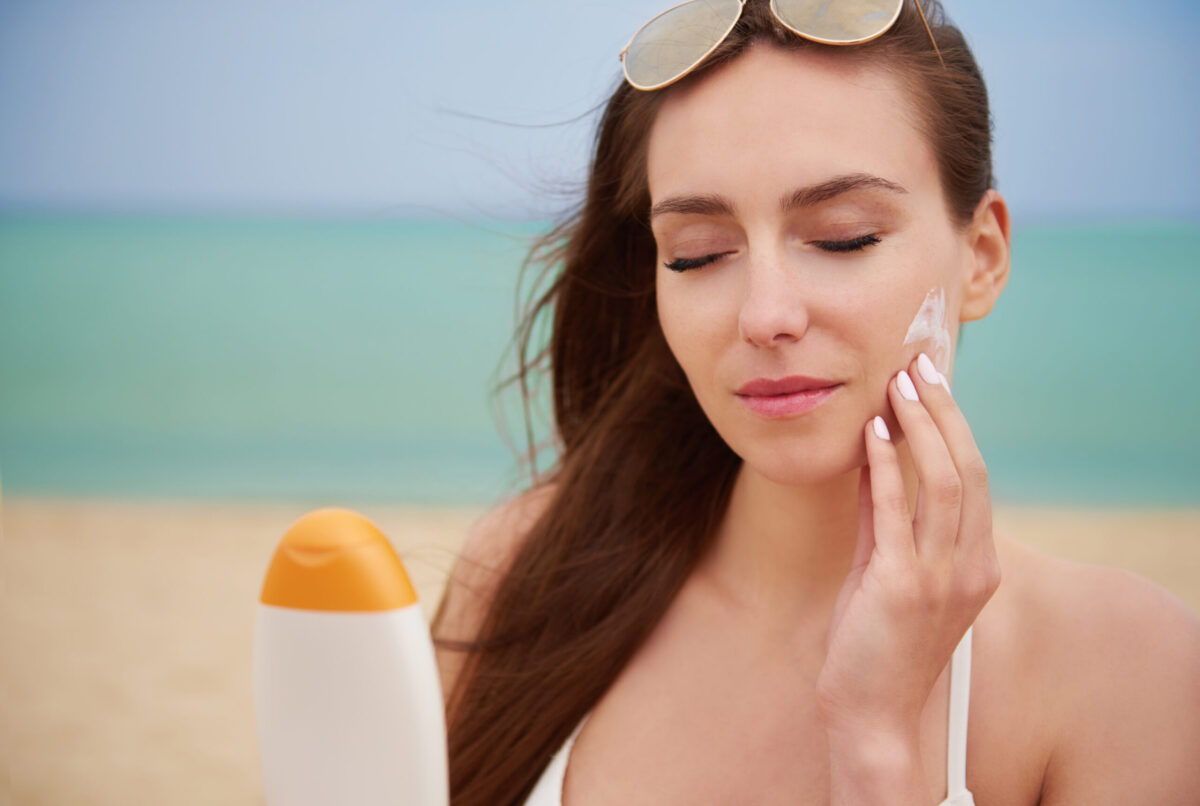

Chemical filters like Avobenzone and Uvinul A Plus are lightweight and invisible. Mineral filters — Zinc Oxide and Titanium Dioxide — are gentler for sensitive and acne-prone skin.
Silicones like Dimethicone anchor the formula through sweat and humidity. Without them, protection breaks down within 30 minutes.
Niacinamide for pigmentation. Hyaluronic Acid for hydration. Ceramides for barrier repair. Glycerin for moisture without oil.
|Pigmentation & Tan |Niacinamide, Alpha Arbutin, Tranexamic Acid |
|Acne & Oiliness |Zinc Oxide, Salicylic Acid, Niacinamide |
|Dryness & Barrier Damage |Ceramides, Glycerin, Panthenol, Squalane
|Sensitivity & Redness | Centella Asiatica, Madecassoside, Allantoin |
|Premature Ageing | Tinosorb S, Uvinul A Plus, Vitamin C, Vitamin E |
|Dehydration |Hyaluronic Acid, Polyglutamic Acid (PGA), Betaine|
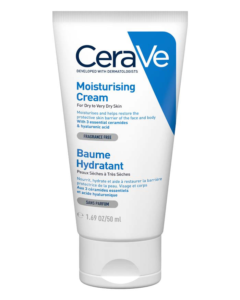
Choose cream or fluid sunscreens with Ceramides, Glycerin, and Squalane. Avoid alcohol-based or fragrance-heavy formulas — they worsen an already weakened barrier.
CeraVe, Beauty of Joseon, Eucerin, Bioderma
Gel or aqua-gel only. Look for oil-free, non-comedogenic labels with Niacinamide as a bonus active. Matte or semi-matte finish is ideal.
Minimalist, Neutrogena Ultra Sheer, Plum, mCaffeine
A fluid or light lotion works across both zones. Hyaluronic Acid hydrates dry areas without adding oil to the T-zone.
La Roche-Posay Anthelios Invisible Fluid, Dot & Key, Re’equil
Go mineral or hybrid — Zinc Oxide is UV-protective and anti-inflammatory. Pair with an HOCl spray for daily bacterial control.
Beauty of Joseon Relief Sun, Fixderma, Skin1004.
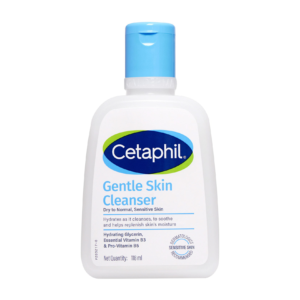
Low-pH, fragrance-free. Harsh cleansers strip the acid mantle and spike oil production.
Try: Cetaphil Gentle Cleanser, CeraVe Hydrating Cleanser
Apply 5–10% on damp skin. Reduces pigmentation, controls sebum, tightens pores — three problems, one step.
Try: Minimalist 10% Niacinamide, The Derma Co Niacinamide Serum
Never skip it. Dehydrated skin absorbs more UV damage. Gel-cream with Ceramides and Hyaluronic Acid — hydrating, not heavy.
Try: Minimalist 2% HA Moisturiser, La Roche-Posay Toleriane Fluid
Use ¼ teaspoon for face and neck. Most people under-apply, which halves protection. Reapply every 2 hours outdoors.
Try: La Roche-Posay Anthelios UVMune 400, Beauty of Joseon Relief Sun, Minimalist Multi-Protect SPF 50
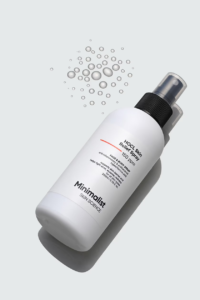
Try: Tower28 SOS Daily Rescue Facial Spray
1. Khilta Mukhra Baby Face Cream – A Nourishing Face Cream for Delicate Skin
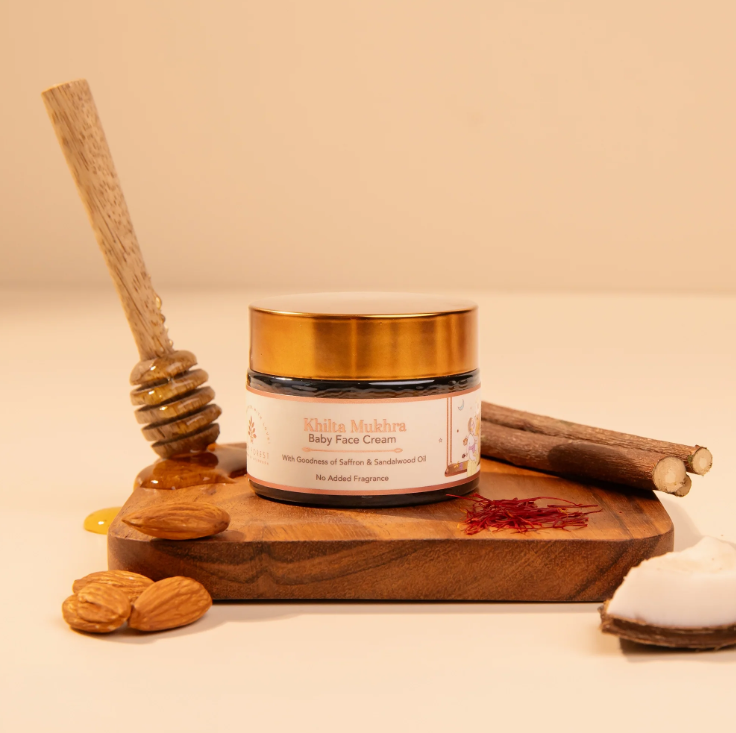
A baby’s facial skin is especially sensitive and prone to dryness, even during the warmer months. A deeply hydrating face cream can help maintain softness while protecting the skin from environmental stressors.
Baby Forest’s Khilta Mukhra Baby Face Cream is enriched with Shea Butter, Saffron, and Almond Oil to provide intense nourishment and hydration. Inspired by Ayurvedic wisdom, the cream helps keep a baby’s skin soft, supple, and healthy-looking while being gentle enough for everyday use.
2. Baby Forest’s Ayurvedic Surya Kawach SPF 30 Baby Sunscreen Lotion – A Baby-Safe Sunscreen for Outdoor Adventures
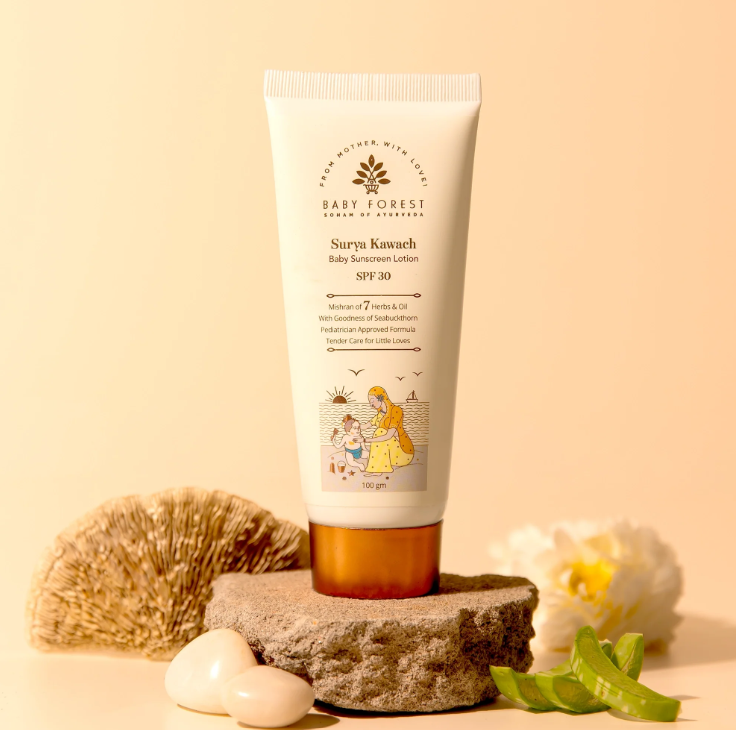
Whether it’s a stroll in the park or a family vacation, sun protection is an essential part of summer baby care. Baby Forest’s Ayurvedic Surya Kawach SPF 30 Baby Sunscreen Lotion helps protect delicate skin from harmful UVA and UVB rays while nourishing it with Seabuckthorn Oil, Carrot Oil, Red Raspberry Seed, and Ayurvedic herbs. The lightweight formula absorbs quickly and leaves no white cast, making it suitable for everyday use.
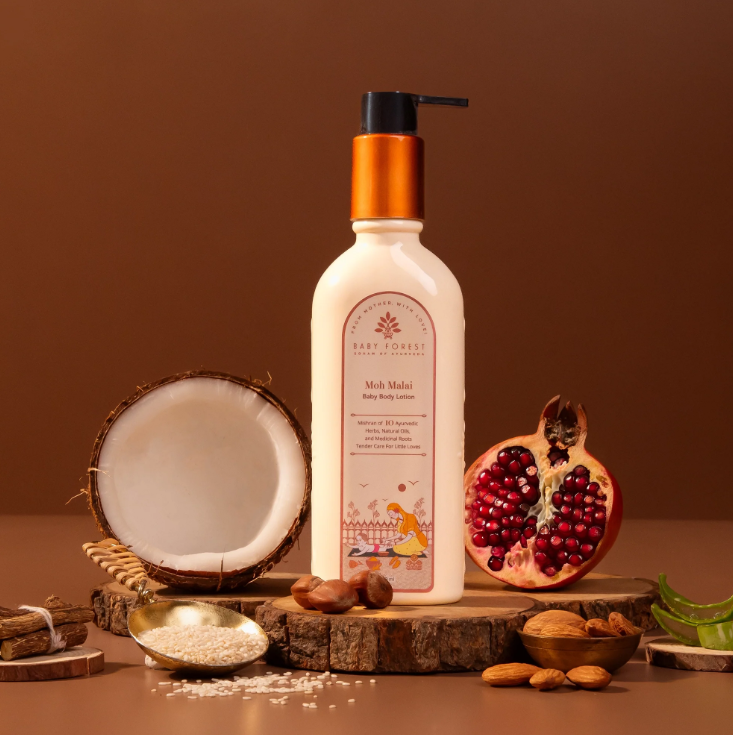
3. Moh Malai Body Cream – A Lightweight Moisturiser to Keep Skin Hydrated
Frequent baths, exposure to air conditioning, and summer heat can often leave a baby’s skin feeling dry. A lightweight moisturiser helps replenish hydration and maintain the skin’s natural softness. Formulated with Shea Butter, Mulethi, and Rose Petals, Baby Forest’s Baby Body Cream deeply nourishes and hydrates while helping soothe and protect delicate skin. Its lightweight texture makes it ideal for warmer weather.
4. Nikhrae Kesh Baby Shampoo – A Gentle Shampoo for Healthy Hair and Scalp
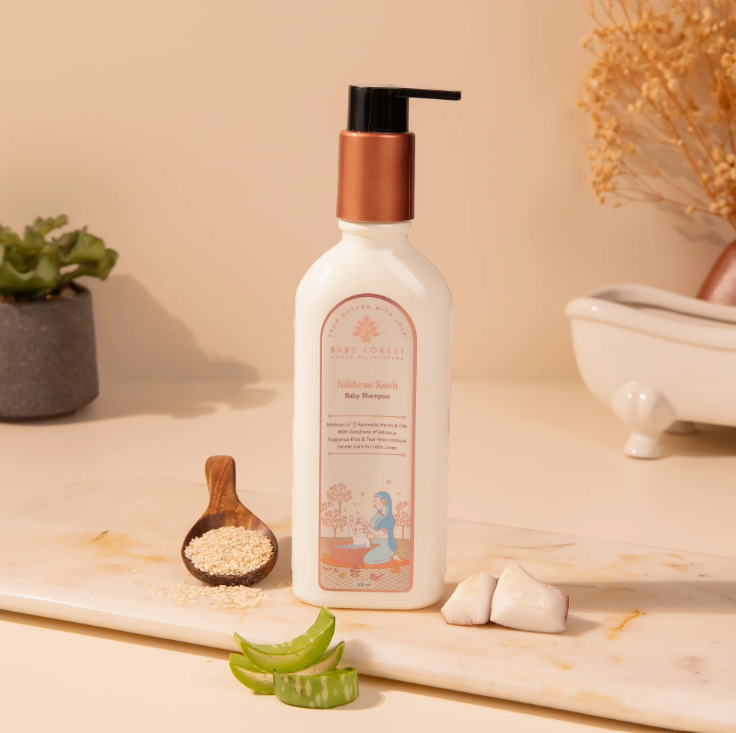
Sweat and humidity can make regular cleansing important during summer, but a baby’s scalp requires extra-gentle care. Baby Forest’s Baby Hair Shampoo and Scalp Cleanser is a protein-rich, tear-free formula enriched with Hibiscus Leaves and Mungbean. It gently cleanses the scalp, strengthens hair roots, and helps keep hair soft, shiny, and naturally healthy.
5. Sampoorna Snan Baby Body Wash – A Mild Body Wash for Everyday Cleansing
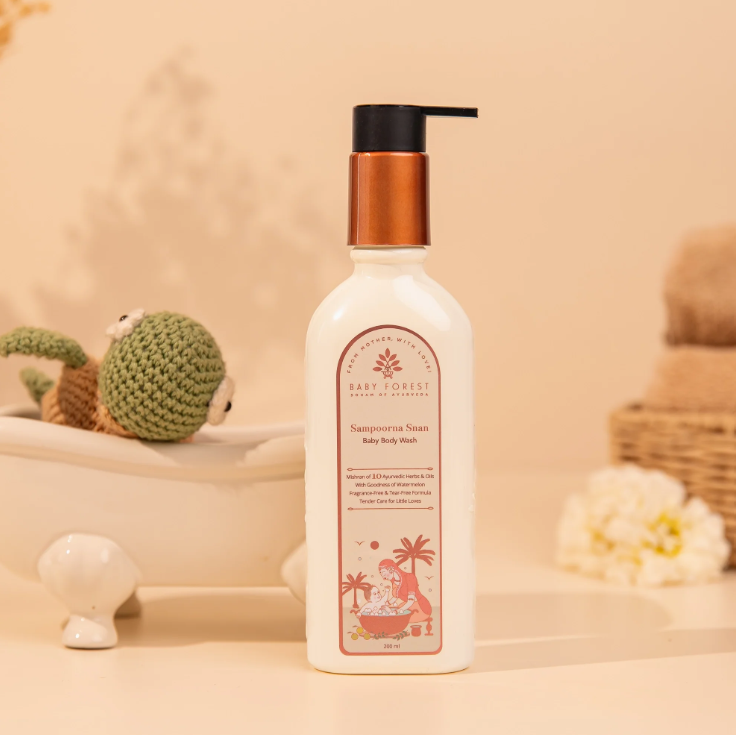
Frequent bathing becomes a necessity during summer, but harsh cleansers can strip the skin of essential moisture. Baby Forest’s Sampoorna Snan Baby Body Wash is infused with the goodness of 10 Ayurvedic herbs and oils, including Methika Seeds, Rakht Chandan (Red Sandalwood), and Mogra (Jasmine). The gentle formula cleanses, hydrates, and nourishes the skin, leaving it refreshed and comfortable after every bath.

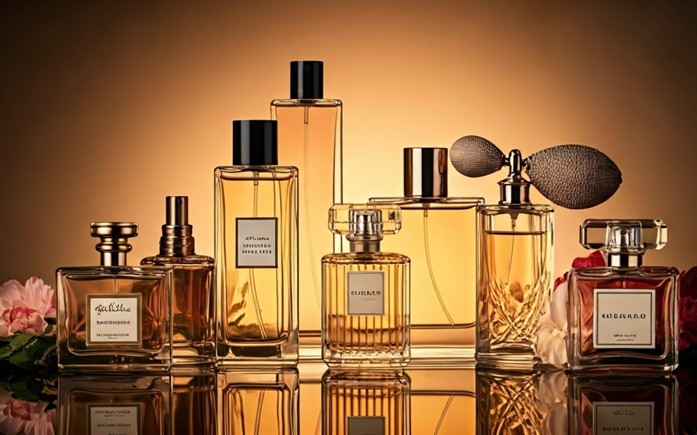
The history of fragrance is a journey from the divine to the designer. It began in the ancient world as a sacred bridge to the gods, where resins like frankincense were burned per fumum (through smoke) in Egyptian temples to appease deities. This mystical ritual evolved into a scientific craft during the Middle Ages, as Islamic polymaths like Avicenna perfected steam distillation, transmuting heavy oils into the ethereal floral waters we recognise today.

By the 19th century, perfumery had transcended mere imitation, embracing laboratory-created molecules to evoke abstract emotions rather than simply replicate single blooms—a paradigm shift crystallised by creations such as Jicky. The 20th century then elevated fragrance into the realm of fashion, where icons like Chanel No. 5 became synonymous with identity and allure.
Fragrance invariably projects differently on each individual, compelling one to discover a scent that harmonises with one’s unique chemistry. We have all savoured that fleeting, exquisite trail as someone passes by—yet pondered why the same allure eludes us, even when donning that very fragrance. Emerging technologies now bridge this disparity with refined precision.
The Genetic Blueprint: Your Olfactory DNA
This bridge commences deep within your double helix. We all bear a unique genetic map of roughly 400 olfactory receptors, ensuring no two people inhabit precisely the same “scented” world. What wafts as a fresh citrus grove to one might provoke a “metallic” or “soapy” response in another.
By sequencing polymorphisms in your genetic code, these services delineate the architecture of your olfactory inheritance. They reveal heightened sensitivity akin to a “supertaster” for rare musks, or a predisposition to deem certain avant-garde synthetics irredeemably “soapy” or “foul.”
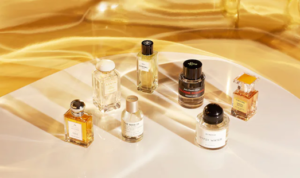
The Goal: To eradicate the “hit or miss” vagaries of perfume purchasing by aligning ingredients with your singular biological receptors.
Pulse-Point Intelligence
A micro-thin, haptic patch equips you for high-stakes environments. It monitors your body’s “chemical weather”—sensing microscopic rises in skin conductance and subtle shortenings of breath. Before stress’s physical weight descends, the device orchestrates a “Scent-Intervention.”
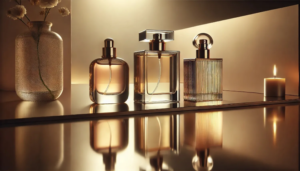
Pulse points—wrists, neck, behind the ears—emit amplified heat from proximate blood flow, accelerating fragrance diffusion for superior projection and evolution. The patch tracks skin temperature, heart rate, and stress levels, modulating scent release in real time—intensifying or softening the composition dynamically.
The Goal: To render fragrance adaptive rather than static: not merely something applied, but an emanation that evolves with one’s physiological and emotional state. In essence, less “this is my perfume” and more “this is how I am right now.”
Artificial intelligence, unsurprisingly, stands central to this metamorphosis. By dissecting behavioural data, purchase patterns, and emotional responses, these systems forge deeply personalised scent recommendations. In some instances, they venture further—generating bespoke compositions calibrated to an individual’s psychological profile. The outcome is hyper-personalisation that feels indulgent yet quietly disquieting, effacing the boundary between self-expression and subtle behavioural influence.
| Trend | Technology | Impact |
| Personalization | AI & Machine Learning | Shift from “Brand ID” to “Genetic ID.” |
| Functionalism | Neuroscience/EEG | Scent used as a mental health & performance tool. |
| Sustainability | Precision Fermentation | Lab-grown alternatives to rare/illegal naturals. |
| Digitalization | Biosensors & E-noses | Scent becomes a programmable feature of your home/body. |
As epochs have unfurled, so too has the alchemy of scent—from communal rituals to bespoke elixirs—ushering us towards an era where artificial intelligence curates fragrances as intimately as a fingerprint. Yet this relentless march risks severing us from perfumery’s storied tapestry; scents, after all, are vessels of memory, evoking raw human emotions through visceral, unreplicable recollections that no algorithm can forge. In chasing the singular “perfect” accord, we may forfeit the serendipitous discoveries and collective memories that once bound us in aromatic communion. One must ponder: amidst such ingenuity, will the thrill of the unexpected—history’s capricious gift—survive?

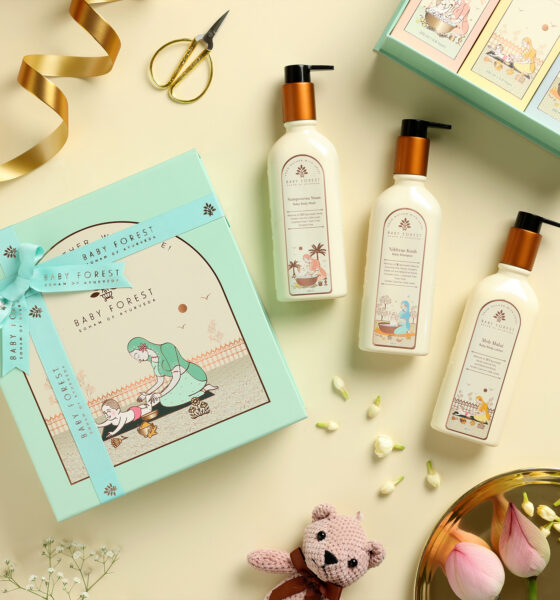
Baby Forest Maasoom Petika: A Thoughtful Ayurvedic Baby Care Gift for First Raksha Bandhan

Birla Cellulose’s Handloom Initiative Brings New Possibilities for Traditional Weaving

EAW Global Aqua Expo 2026 Inaugurated at Bharat Mandapam; Water Leaders Convene to Shape India’s Water Future






An Evening of Healing, Hope, and Humanity: The Healing Brush Unveiled at Delhi Golf Club

Meltdown Proof: How to Protect Your Skin from India’s Ultimate Summer

Baby Care Essentials Every Parent Needs This Summer

Star-Studded Premiere of Bharat Bhagya Vidhat

Beyond Silence: A Smarter Way to Meditate

Masters of the Universe Review: A Triumphant Return to Eternia

 Events8 years ago
Vandy Mehra & Dr. Sanjana Jon hosted a fashionable evening

 Celebrities2 years ago
VOGUE EYEWEAR UNVEILS ‘KEEP PLAYING’, AN EFFERVESCENT CAMPAIGN WITH BRAND AMBASSADOR

 Lifestyle2 years ago
Aza Fashions Launches Flagship Store in Dhan Mill, New Delhi

 Celebrities2 years ago
Sony AATH is premiering the 4th Gopal Bhar movie titled ‘Gopaler Buddhi

 Business9 years ago
Uber and Lyft are finally available in all of New York State
 Health & Beauty2 years ago
The Face Shop Unveils the Vitamin Lip Sleeping Mask: A Revolution in Lip Care

 Celebrities2 years ago
Appu gives meaningful message in country’s first 4K animated

 Lifestyle2 years ago
2025 Numerology Predictions by Tarot Reader Sangeeta Walia